In Defense of Wearing the Same Date Outfit Twice: A Manifesto for the Repeat-Wear Revolutionaries

Photo: micadew from US, CC BY-SA 2.0, via Wikimedia Commons
Let the record show that we are not here to apologize.
We wore the green wrap dress on Date One. It worked. The conversation was good, the lighting was kind, and at one point they looked at us across the table with an expression that suggested the evening was going extremely well. The green wrap dress was a contributing factor. The green wrap dress delivered.
And now it is Date Three — a different restaurant, a higher emotional stakes situation, the kind of evening where you want to feel like yourself but also slightly better than yourself — and we are standing in front of the closet at 6:47 p.m. with a very specific problem.
We know what works. It's hanging right there. And we are being told, by some unspoken rule of modern dating that nobody actually wrote down, that we cannot wear it again.
We reject this. Entirely and with citations.
The Double Standard Has Entered the Chat
Before we build our case, let's acknowledge the elephant in the room — an elephant wearing the same navy blazer it has worn to literally every social occasion since 2019.
Men repeat outfits. Men repeat entire combinations. The dark jeans, the white button-down, the clean sneaker. Date one through five, the work happy hour, the friend's birthday, the 'casual' networking event. Nobody pulls them aside. Nobody sends a concerned text. Nobody posts a Reddit thread asking whether it means something that he wore the same shirt to brunch.
Women wear the same dress twice to two different events and suddenly there's a forensic investigation.
This is not a new observation, but it bears repeating — ironically, like a good outfit — because the double standard is the entire foundation upon which the Outfit Repeat Panic Industrial Complex is built. The anxiety we feel about wearing something twice is, in large part, manufactured. By whom? By a fashion culture that benefits financially from the idea that your wardrobe has a shelf life measured in outings rather than years.
We see the game. We are choosing not to play.
The Case for the Personal Uniform
Let us now introduce Exhibit A: every famously confident, aesthetically decisive person you have ever admired.
Steve Jobs and the turtleneck. Karl Lagerfeld and the fingerless gloves. Your most stylish friend who always seems to look incredible and somehow owns fewer clothes than everyone else. What do these people have in common? They found what works and they committed. They stopped auditioning new identities every Tuesday and started showing up as a fully realized version of themselves.
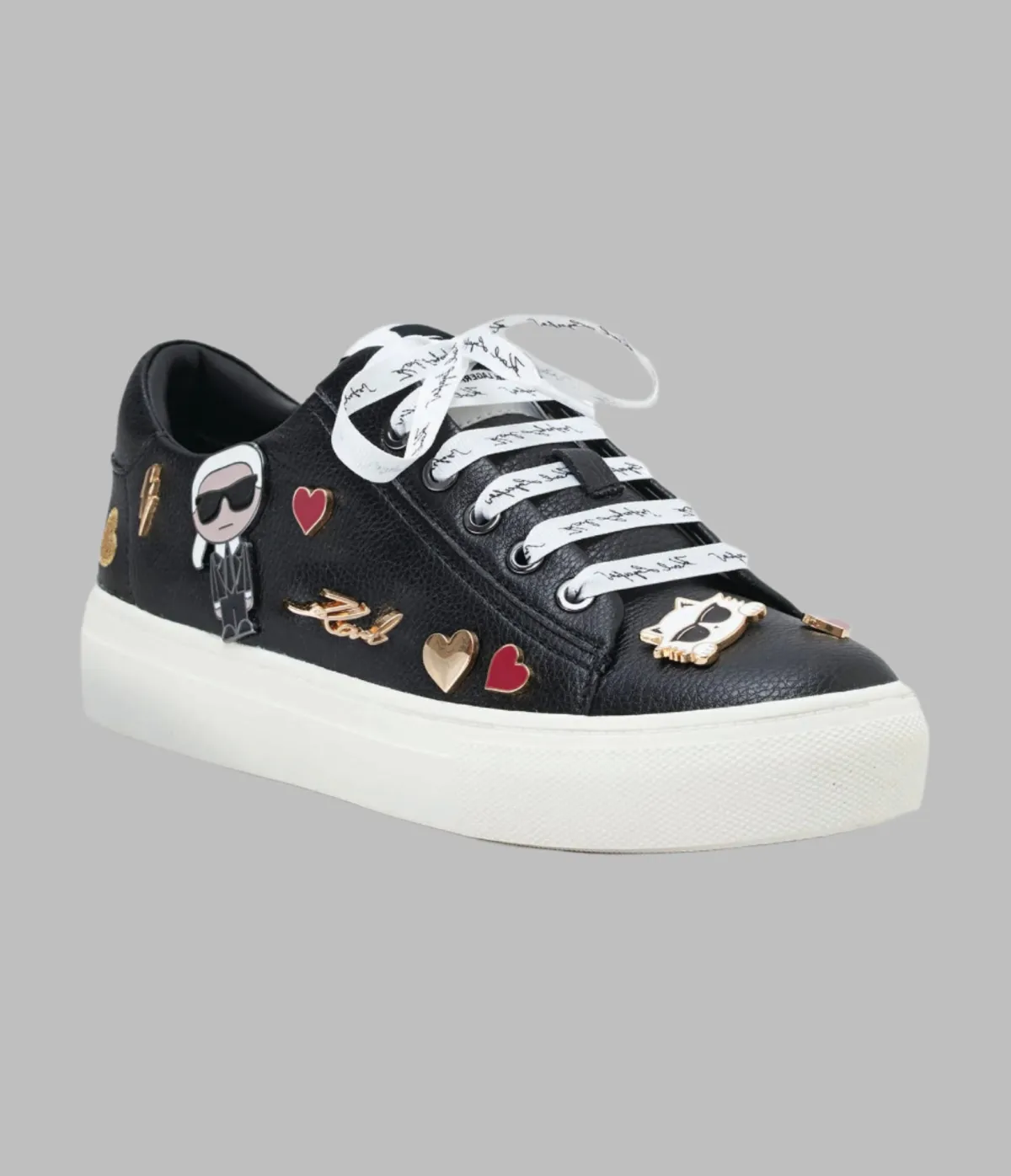 Photo: Karl Lagerfeld, via www.karllagerfeldparis.com
 Photo: Steve Jobs, via hips.hearstapps.com
That is not laziness. That is curation. And curation, in the fashion world, is the highest possible compliment.
When you wear the green wrap dress to Date Three, you are not running out of ideas. You are signaling that you know yourself. That you are not performing novelty for the benefit of someone else's entertainment. That you have a signature, and your signature is confident and flattering and already proven to work under restaurant lighting.
The repeat outfit is not a red flag. It is a personality trait. A good one.
What the Panic Actually Costs
Let's talk about the alternative — because we've all lived it, and it deserves to be examined in full.
The alternative to wearing the dress that works is spending three hours on a Tuesday evening dismantling your closet in search of something 'fresh.' This involves trying on fourteen items, discarding twelve, momentarily considering a jumpsuit you haven't touched since 2021, texting two friends photos from the dressing room mirror, receiving conflicting advice, panic-ordering something from ASOS with a delivery window that technically could make it in time but statistically will not, and ultimately landing on an outfit that is fine but not the dress.
You show up to Date Three in the fine outfit. You feel approximately 30% less confident than you would have in the dress. The evening is perfectly good but slightly off in a way you can't articulate.
The dress was right there the whole time.
The mental labor involved in pretending your wardrobe is infinite — in performing the illusion of endless newness for someone who, let's be honest, is probably wearing the same blazer they wore to Date One — is exhausting, expensive, and entirely optional.
The Repeat Rules, for the Uninitiated
Now, we are not suggesting anarchy. Even a manifesto needs structure. So here, for the record, are the actual guidelines for responsible outfit repeating:
Rule One: Different context, same outfit. Wearing the same dress to a different restaurant with a different vibe is not repeating. It's versatility. The dress is working across multiple environments. That's a compliment to the dress.
Rule Two: Accessories are your alibi. Different earrings. Different shoes. A jacket thrown over the top. The dress is the same; the outfit is technically new. This is not deception — this is styling. There is a difference.
Rule Three: Confidence is the actual outfit. Nobody has ever walked into a room and been judged poorly for wearing something that fit them well and that they clearly felt good in. The energy you carry matters more than the garment's previous outings.
Rule Four: If they've seen it and they're still here, it clearly worked. This is perhaps the most compelling argument of all. Date Three exists because Date One went well. Date One went well partly because of the dress. The dress is, at this point, practically a good luck charm. Retiring it would be statistically reckless.
The Verdict
Wear the dress.
Wear it with the confidence of someone who has made a deliberate, considered choice rather than a panicked last-minute substitution. Wear it like a person who knows what they like and isn't apologizing for it. Wear it like a man would wear his navy blazer — without a single moment of internal debate.
The outfit repeater is not someone who ran out of options. The outfit repeater is someone who found the right answer and had the good sense to use it again.
And if anyone clocks it? That person has been paying very close attention to what you wear, which means they are, by definition, very into you.
You're welcome. Go get dressed.