Ten Pieces, Ten Thousand Dollars: The Capsule Wardrobe Grift Nobody Wants to Name

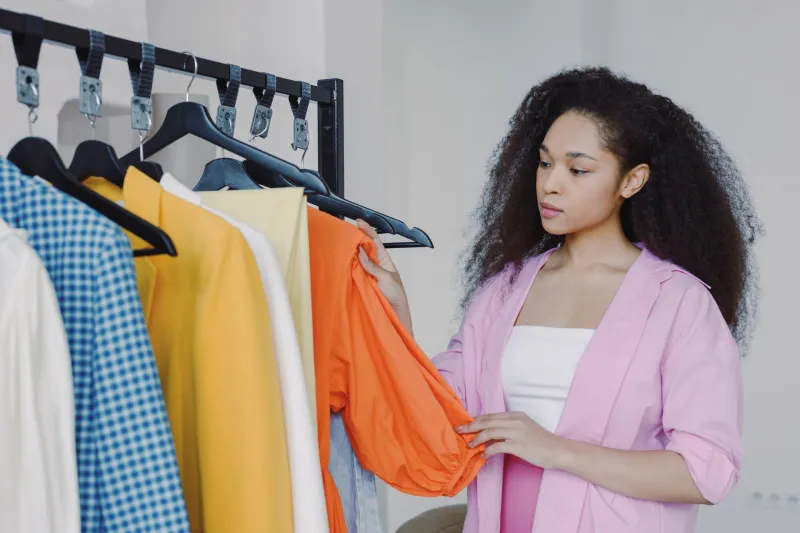
Somewhere between the third Everlane haul and the fourth "ultimate guide to owning less," something quietly broke in American fashion culture. The capsule wardrobe — that serene, color-coordinated fantasy of thirty interchangeable pieces hanging in a spotless white closet — was supposed to set us free. Free from decision fatigue. Free from overconsumption. Free from the tyranny of owning too much stuff.
Instead, it handed the fashion industry one of its most elegant upsells in living memory.
Welcome to minimalism, monetized.
The Promise Was Simple. The Price Tag Was Not.
The capsule wardrobe concept has been kicking around since the 1970s, when London boutique owner Susie Faux coined the term to describe a small collection of quality essentials that never go out of style. Noble idea. Genuinely useful framework. Completely unrecognizable from what it has since become.
Today, "building your capsule" is a content genre, a shopping occasion, and a personality trait all at once. Influencers drop seasonal capsule guides the way meteorologists drop weather forecasts — with great authority and absolutely no accountability for whether any of it lands. Each guide comes equipped with a curated shopping list, conveniently affiliate-linked, that somehow totals more than a month's rent in a mid-sized American city.
The math has never quite worked out, and nobody seems to want to do it.
A "timeless white button-down" from a minimalism-approved brand: $165. The "perfect straight-leg trouser" in a neutral that goes with everything: $220. The "forever camel coat" that will outlast your current relationship and possibly your next one: $595. Add a "versatile leather sneaker," a "classic striped tee," and a "transitional midi skirt," and you've easily cleared $1,500 before you've assembled half a wardrobe.
Owning less has never cost more.
The Aesthetic of Restraint Is Still an Aesthetic
Here's the part that doesn't get said loudly enough: minimalism, as it exists in 2024 fashion culture, is not the absence of consumerism. It is a specific, highly curated flavor of consumerism with a better origin story.
The influencer standing in front of her organized closet, gesturing at twelve items in a muted color palette, is not opting out of the fashion machine. She is participating in it at a premium price point and calling it discipline. The brands she promotes — and there are always brands she promotes — have simply figured out that "buy less, buy better" sells more expensively than "buy more, buy often."
It is a masterclass in reframing. Instead of selling you volume, they sell you virtue. Instead of a trend, they sell you a value system. The product is still the product. The philosophy is the packaging.
And the packaging is exceptional.
The Replacement Cycle Nobody Talks About
Capsule wardrobe culture also has a quietly dirty secret: it doesn't actually stop you from shopping. It just changes the narrative around when you do.
Because here's what happens after you build your capsule. You wear the pieces. Some of them you love. Some of them you bought because they appeared on seventeen different "essentials" lists and you felt you were supposed to love them. The ones you don't love get quietly shuffled to the back. New gaps appear. A new season arrives. A new influencer publishes a new guide declaring that the previous neutral palette is out and a slightly different neutral palette is in. And the whole cycle restarts, draped in the language of intentionality.
The capsule wardrobe is, functionally, a permission structure for shopping twice a year instead of constantly — which sounds like progress until you realize the twice-yearly shops cost three times as much per item and you're still somehow accumulating things you don't wear.
The closet audit is still coming. It's just wearing a linen blazer now.
Who Actually Benefits From This?
Not the person who genuinely needs a functional, affordable wardrobe. The capsule wardrobe gospel, as preached by its most influential apostles, assumes a baseline of financial flexibility that excludes most of the people it claims to help. "Invest in quality" is sound advice if you have the budget to invest. If you don't, you're buying the $18 version of the same white t-shirt from Target and feeling vaguely guilty that it isn't achieving the same spiritual clarity.
The brands benefit, obviously. The ones that have successfully positioned themselves as capsule-approved command significant price premiums for items that are, by design, supposed to be simple. A plain white tee is a plain white tee until it has the right label and the right Instagram presence, at which point it becomes a cornerstone of your intentional lifestyle.
The influencers benefit. Capsule content is evergreen, endlessly repeatable, and affiliate-link friendly in a way that trend content isn't. You can publish a "fall capsule essentials" guide every single year, swap in a few new affiliate links, and the machine keeps running.
The concept of minimalism, meanwhile, continues to do what it has always done in its commercialized form: make acquisition feel like curation, and spending feel like simplifying.
The Closet You Actually Have
None of this means the underlying idea is worthless. A smaller, more considered wardrobe genuinely does reduce decision fatigue. Buying fewer, better-made things is better for the environment and, eventually, your wallet. Knowing what you actually wear and why is a reasonable thing to know about yourself.
But the capsule wardrobe as a marketed product — the influencer guides, the brand partnerships, the $300 "forever basics" — is not minimalism. It is maximalism with a cleaner aesthetic and a more flattering story.
Your actual capsule wardrobe, the one you've been building accidentally for years out of things you genuinely reach for, is probably already hanging in your closet. It's the five pieces you wear constantly while the other forty-five wait patiently for a life that hasn't arrived yet.
The industry would very much like you not to notice that.
Because if you did, you'd stop buying new basics to replace the basics you already own, and then where would everybody be?