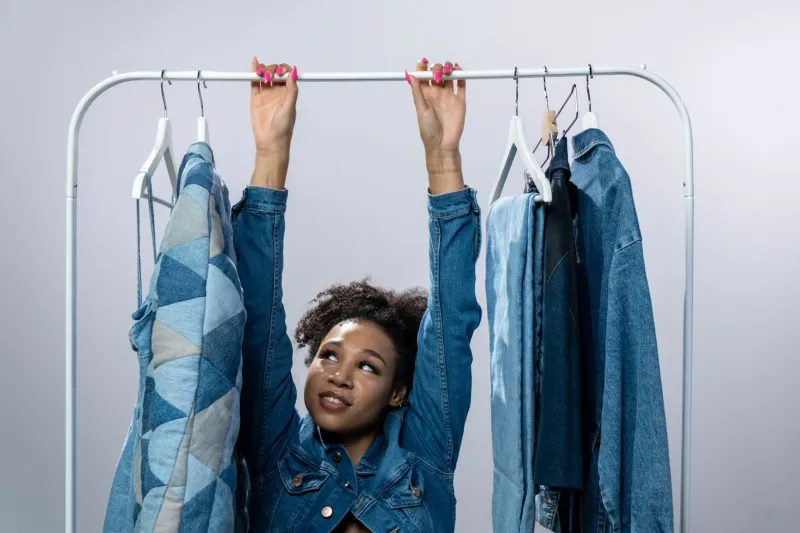
The Promotion That Never Came: A Closet Full of Executive Dreams

The Executive Wardrobe Graveyard
Hanging in closets across America is a silent monument to misplaced ambition: the "promotion wardrobe." These are the blazers bought for corner offices that never materialized, the statement necklaces purchased for presentations that got canceled, and the shoes that were supposed to walk into C-suite meetings but instead shuffled to the same old desk.
We've all heard the advice: "Dress for the job you want, not the job you have." What nobody mentioned is that this particular piece of wisdom would single-handedly fund the professional wear industry while leaving us with closets full of aspirational clothing and bank accounts full of regret.
The Birth of Executive Cosplay
Somewhere between business school graduation speeches and LinkedIn motivation posts, Americans became convinced that the right blazer could manifest a promotion. We started shopping for imaginary job titles, building wardrobes for positions that existed only in our five-year plans.
The logic seemed foolproof: look successful, become successful. Fake it till you make it, but make it fashion. The result? A generation of junior analysts wearing $300 blazers to make PowerPoint presentations for audiences of three.
The Anatomy of Aspirational Shopping
The promotion wardrobe follows a predictable pattern. It starts with "investment pieces" – a term that makes expensive clothing sound like a 401k contribution. The blazer that costs half your monthly rent becomes a "career investment." The designer handbag transforms into "professional development."
These purchases always happen at inflection points. Got an interview for a slightly better position? Time to buy an entirely new outfit that screams "executive material." Annual review coming up? Better invest in some "promotion energy" clothing.
The most tragic specimens in this wardrobe are the items bought not for actual opportunities, but for hypothetical ones. The "just in case I get called into an important meeting" dress that's been waiting two years for its moment. The "if I ever need to look intimidatingly competent" blazer that intimidates only your credit score.
The Mythology of Power Dressing
We've created an elaborate mythology around professional clothing. Certain blazers possess "CEO energy." Specific handbags emit "executive presence." These items are supposed to transform not just how others see us, but how we see ourselves.
The reality is more complex. That $400 blazer might make you feel more confident, but it doesn't automatically come with decision-making authority or a salary increase. Looking like you belong in the C-suite doesn't grant you access to it.
The Waiting Game
The saddest part of the promotion wardrobe is how patiently it waits. These clothes hang in our closets like loyal employees, ready to spring into action the moment opportunity calls. The tags sometimes stay on for months, just in case the return window outlasts our delusions.
Meanwhile, we continue wearing our regular work clothes to our regular jobs, while the promotion wardrobe maintains its vigil. Occasionally, we'll pull out a piece for a particularly important Tuesday, but mostly these clothes exist in a state of perpetual readiness for a future that may never arrive.
The Economics of Executive Cosplay
Let's talk numbers. The average American promotion wardrobe represents approximately $1,200 in aspirational spending. This includes the blazer that was supposed to command respect ($200-400), the shoes that were meant to walk into success ($150-300), the bag that would announce arrival ($300-600), and the accessories that would complete the transformation ($100-200).
Compare this to the average raise for internal promotions (3-5%), and the math becomes depressing. You'd need to be promoted three times just to break even on the clothes you bought to get promoted once.
The Psychology of Professional Transformation
There's something deeply American about believing we can purchase our way into a new identity. The promotion wardrobe represents our faith in the transformative power of capitalism – if we buy the right things, we become the right people.
This shopping behavior reveals our relationship with professional success. We're more comfortable investing in the appearance of achievement than in the skills or connections that actually create it. It's easier to buy a blazer than to negotiate a raise, simpler to purchase confidence than to build it.
The Reality Check
Here's what the career advice gurus don't tell you: most successful people didn't shop their way to the top. They networked, they performed, they negotiated, they occasionally got lucky. Very few promotion stories begin with "And then I bought the perfect blazer."
The executives we're trying to emulate often have simple, consistent wardrobes built over time. They're not constantly purchasing "promotion energy" clothing because they already have the promotion.
The Alternative Investment Strategy
Imagine if we redirected promotion wardrobe money into actual career development. That $1,200 could fund professional courses, industry conferences, networking events, or even a career coach. These investments might not hang as nicely in your closet, but they're more likely to hang a promotion certificate on your wall.
Making Peace with Professional Reality
This isn't to say professional appearance doesn't matter – it does. But there's a difference between dressing appropriately for your current role and cosplaying a future one. The goal should be looking competent and confident in your actual job, not auditioning for an imaginary one.
The most successful approach might be building a wardrobe that grows with your career, not ahead of it. Buy quality pieces that work for your current position and could transition to the next level. Focus on fit and appropriateness over executive cosplay.
The Closet Confessional
If you're reading this while looking at a blazer you've never worn or a dress that's still waiting for its "big moment," you're not alone. The promotion wardrobe is a shared American delusion, a collective belief that the right outfit can unlock the wrong door.
Maybe it's time to wear those clothes to regular Tuesday meetings. Maybe that "promotion blazer" deserves to see some action, even if it's just to make quarterly reports feel more important.
After all, confidence shouldn't require a special occasion. And if you're going to own expensive clothes, you might as well get some actual cost-per-wear out of them while you're building the career that will eventually match the wardrobe.