Democracy in Denim: When Your Wardrobe Needs Congressional Approval
The Constitutional Crisis in Your Closet
Remember when getting dressed was a unilateral decision? When you could wake up, survey your options, and make an executive choice without consulting a panel of advisors? Those days are dead, buried under an avalanche of mirror selfies and "which one???" texts sent to group chats that have somehow become America's unofficial fashion senate.
Welcome to the era of democratic dressing, where no outfit goes unworn without proper legislative approval.
The Birth of the Outfit Committee
It started innocently enough. Maybe you sent a quick mirror pic to your best friend before a first date, seeking reassurance that your carefully curated "effortless" look actually looked effortless. But somewhere between 2019 and now, this evolved into a full-blown constitutional convention every time we open our closet doors.
Today's getting-dressed process looks less like personal grooming and more like seeking congressional approval for a military intervention. The evidence is overwhelming: Americans now require a minimum quorum of three group chat participants before committing to any outfit that will be seen by more than their barista.
The Anatomy of Modern Outfit Democracy
The process has become ritualistic. First, there's the preliminary vote – a quick snap sent to the inner circle with the caption "thoughts?" This is followed by the formal presentation: multiple angles, different lighting, sometimes a full 360-degree video if the stakes are particularly high.
Then comes the deliberation period. Group chat members weigh in with the gravitas of Supreme Court justices. "Love the top but maybe different shoes?" carries the same weight as a constitutional amendment. "You look amazing!" becomes a binding resolution.
 Photo: Supreme Court, via thumbs.dreamstime.com
The most fascinating part? While you're waiting for your outfit committee to convene, your advisors are simultaneously running their own wardrobe referendums in entirely different group chats. It's democracy all the way down, an infinite loop of mirror selfies and collective uncertainty.
The Rise of Fashion Polling
Instagram Stories polls have become the electoral college of outfit selection. "Black boots or brown?" receives more thoughtful consideration than most local elections. The 24-hour window for responses creates artificial urgency – democracy in action, with a countdown timer.
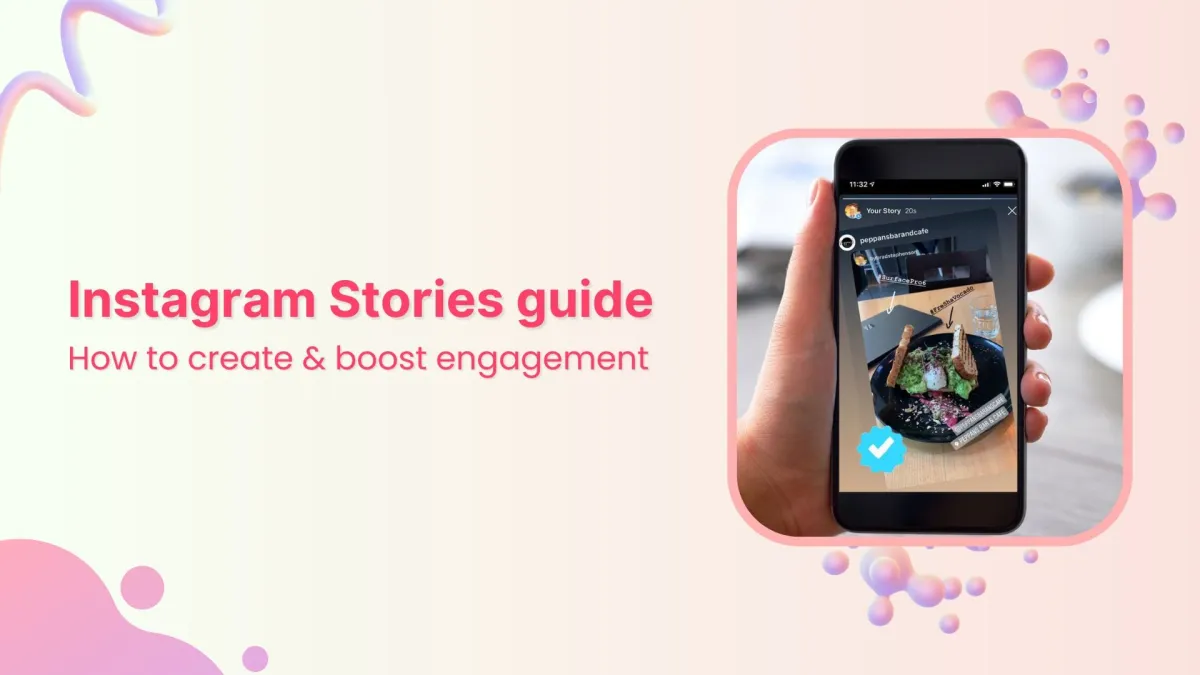 Photo: Instagram Stories, via internal-blog.contentstudio.io
Some have evolved beyond simple binary choices, creating elaborate bracket systems for outfit selection. March Madness has nothing on the competitive fervor of choosing between four different blazer options for a work presentation.
 Photo: March Madness, via cdn.images.express.co.uk
When Consensus Becomes Paralysis
But here's where democratic dressing gets complicated: what happens when the committee can't reach a majority decision? When the group chat splits 50-50 on whether the dress is "cute" or "trying too hard"?
This is how Americans end up standing in their bedrooms at 8:47 AM, fully dressed but texting "still taking votes" to increasingly impatient group chats while their Uber driver circles the block.
The committee system has created a generation of people who are physically incapable of trusting their own mirror. We've outsourced our confidence to a panel of judges who are, simultaneously, asking us what we think about their own outfit choices.
The Tyranny of Too Many Opinions
The cruel irony is that seeking approval from multiple sources often creates more confusion than clarity. When five people offer six different opinions about the same outfit, you're not getting consensus – you're getting a focus group.
"I love it but maybe with different jewelry" conflicts directly with "perfect as is" which contradicts "needs more color." Suddenly, your simple black dress has become a diplomatic crisis requiring shuttle diplomacy between conflicting fashion factions.
The Emergency Session Protocol
For truly high-stakes events – job interviews, first dates, weddings where your ex will be present – Americans have developed emergency session protocols. This involves activating multiple group chats simultaneously, creating a sort of fashion NATO where representatives from different social circles convene to address the crisis.
These emergency sessions can involve up to 12 people across four different platforms, with real-time video calls for particularly complex outfit negotiations. Democracy is beautiful, but it's also exhausting.
Liberation Through Autocracy
Perhaps the most radical act in 2024 is choosing an outfit without consulting anyone. Getting dressed in private, making a unilateral decision about your appearance, and walking out the door without photographic documentation for committee review.
It feels almost rebellious – this return to fashion autocracy, where you are the sole executive authority over your own wardrobe. No polls, no committee hearings, no waiting for quorum.
Just you, your closet, and the dangerous freedom of trusting your own judgment.
The Future of Fashion Democracy
As we navigate this new landscape of collective outfit approval, one thing becomes clear: we've created a system where getting dressed requires more consultation than most business decisions.
Maybe it's time to remember that confidence isn't a group project. Sometimes the best outfit decision is the one you make all by yourself, standing in front of your own mirror, trusting your own eyes.
After all, democracy is great for running countries. But your closet might benefit from a little benevolent dictatorship.