The Fancy Outfit Is Not Dead. It Is Simply Refusing to Get Off the Couch.
Let's start with a number: three years. That's how long a statistically significant portion of American women have gone without wearing heels with any regularity. Not because heels are bad — although, biomechanically, the argument is there — but because the occasions that used to demand heels have either evaporated, moved to Zoom, or quietly downgraded their dress code to 'smart casual,' which is a phrase that means absolutely nothing and everyone knows it.
The ceremonial outfit is in crisis. Not dead — it still shows up for weddings and the occasional concert when the artist is famous enough to warrant effort — but it is operating at dramatically reduced capacity, and nobody is quite sure whether to mourn it or just buy another set of matching joggers.
How Remote Work Quietly Mugged Your Wardrobe
The pandemic did a lot of things to fashion, most of them well-documented. What gets discussed less is the psychological rewiring that happened when millions of Americans spent 18 months in their homes and discovered something alarming: comfort was not a compromise. Comfort was, in fact, the whole point.
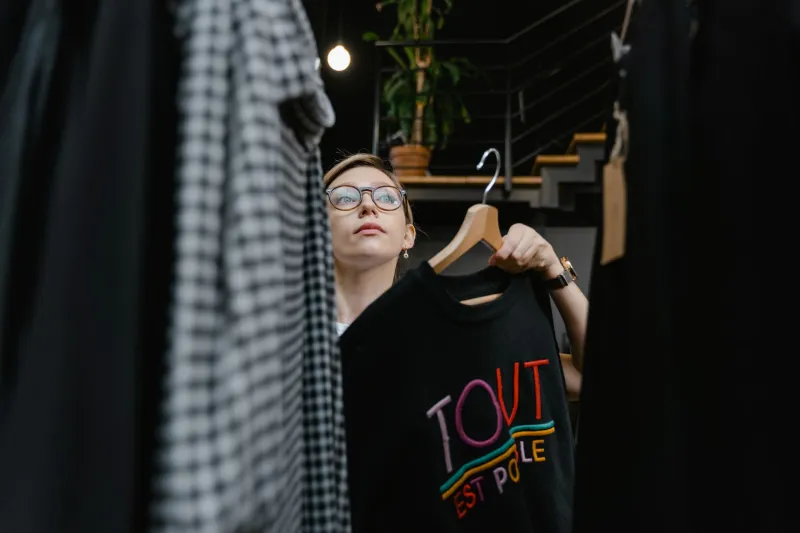
The office outfit — the blazer, the structured trouser, the shoe that required a specific sock — had always carried a certain amount of performance anxiety baked in. You weren't just getting dressed; you were assembling a character. When that daily ritual disappeared, so did the muscle memory. People forgot how to do it. And then, when the offices started reopening, they looked at their old work clothes with the detached confusion of someone encountering a relic from a previous civilization.
'I tried to wear my old work pants back to the office,' said one woman in Chicago who asked to remain anonymous, presumably because her pants are listening. 'They fit. They looked fine. But I felt like I was in a costume. Like I was cosplaying as my 2019 self.' She now works from home four days a week and considers this a medical accommodation.
The Athleisure Hegemony
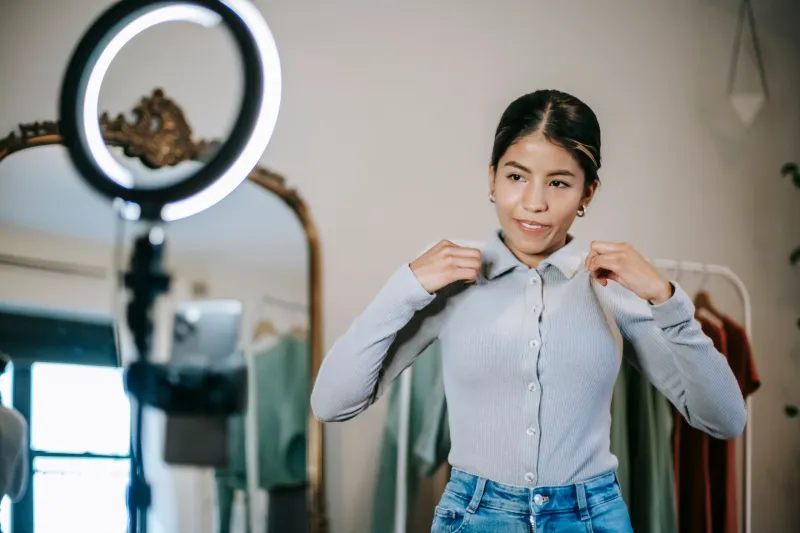
While the ceremonial outfit was busy being sidelined, athleisure was quietly executing one of the most successful hostile takeovers in fashion history. It started with yoga pants at brunch, escalated to joggers at the airport, and has now arrived at its logical endpoint: people wearing technical running gear to events where a decade ago they would have worn a cocktail dress.
This is not entirely bad. Clothing that allows you to move freely and feel comfortable is not a moral failing. But there's something worth examining in how completely the culture shifted — how quickly 'dressed up' became 'overdressed,' and how 'overdressed' became the new social anxiety.
You know the feeling. You show up to a dinner in an actual outfit — something with a collar, something that required ironing — and half the table is in elevated hoodies, and suddenly you're the one who looks like they're trying too hard. The social calculus of effort has completely inverted, and nobody sent a memo.
The Guilt Closet
Here is where it gets genuinely interesting: most people who have abandoned the ceremonial outfit feel bad about it.
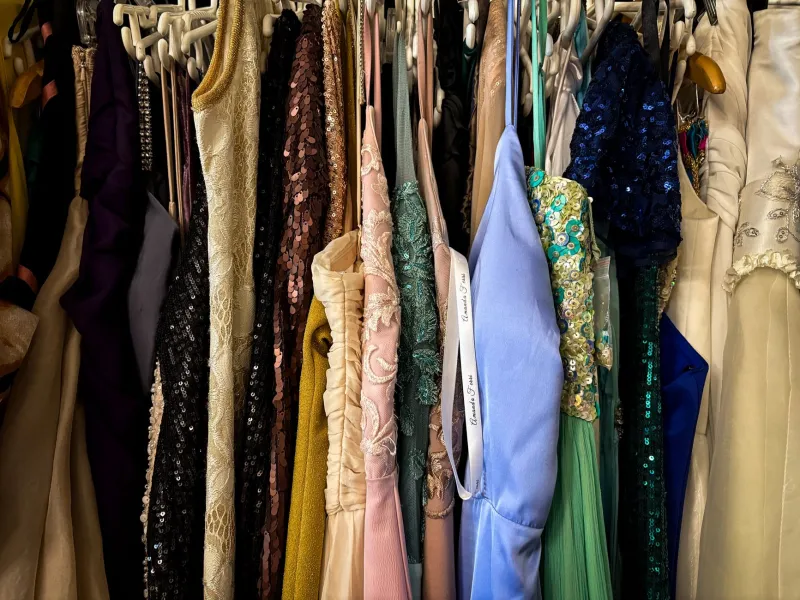
Not bad enough to change, necessarily. But bad. There's a specific flavor of guilt that attaches itself to the unworn blazer, the still-tagged dress, the heels that have been sitting in their box since a 2020 wedding that got postponed and then happened over Zoom anyway. These clothes represent a version of yourself you were supposed to grow into — the person who had places to go, reasons to be dressed, a life with enough occasion to justify dry cleaning.
Instead, you have Tuesday. And Tuesday does not require a structured midi skirt.
'I keep all my nice stuff because getting rid of it feels like giving up,' admitted one 29-year-old in Austin, gesturing at a closet section she estimated she visits 'maybe for Christmas and funerals.' 'It's like keeping the treadmill. The intention matters.'
Are Special Occasions Still Special?
Here's the uncomfortable question lurking under all of this: if you stop dressing up for things, do the things themselves stop feeling special?
There's a genuine argument that the ceremonial outfit was doing more psychological work than we gave it credit for. Getting dressed for something — really dressed, with intention and effort and a shoe that has an actual heel — was a way of marking the moment. It told your brain: this is different from Tuesday. This matters. Bring your best self.
When everything is equally casual, nothing is elevated. The graduation in sneakers and the Tuesday at home in sneakers start to blur together, and the calendar fills up with events that technically happened but didn't quite land the way they used to.
Wedding photographers will tell you this shift is real. 'There's a noticeable difference in how people carry themselves when they're dressed up versus when they're not,' said one photographer based in Nashville. 'The fancy outfit changes your posture. It changes how you interact. People act differently when they feel like they look like something.'
The Verdict: Hibernation, Not Extinction
The ceremonial outfit is not over. It is resting. It is waiting for the cultural moment when getting dressed up feels less like a performance and more like a pleasure again — and those moments are still happening, just more selectively.
People are still showing up for the big ones. They're still wearing something real to the wedding, the milestone birthday, the dinner that actually matters. The difference is that the threshold for 'worth getting dressed for' has moved, and it's not necessarily coming back to where it was.
Maybe that's okay. Maybe the ceremonial outfit becomes more meaningful because it's reserved for fewer occasions. Maybe the blazer you only wear four times a year hits differently than the blazer you wore to the office every Tuesday.
Or maybe you just really like your joggers. Both things can be true. The closet will wait.