Linen Blazer or Actual Lifestyle? Inside America's Aspirational Archetype Dressing Obsession
Photo: Reinhold Möller Ermell, CC BY-SA 4.0, via Wikimedia Commons
Linen Blazer or Actual Lifestyle? Inside America's Aspirational Archetype Dressing Obsession
At some point in the recent past — historians will likely date it to somewhere between 2021 and the moment Diane Keaton became a mood board — America stopped dressing for who it was and started dressing for who it wished it were. Specifically: a woman in her sixties who owns a beach house, makes her own jam, and has never once stressed about parking.
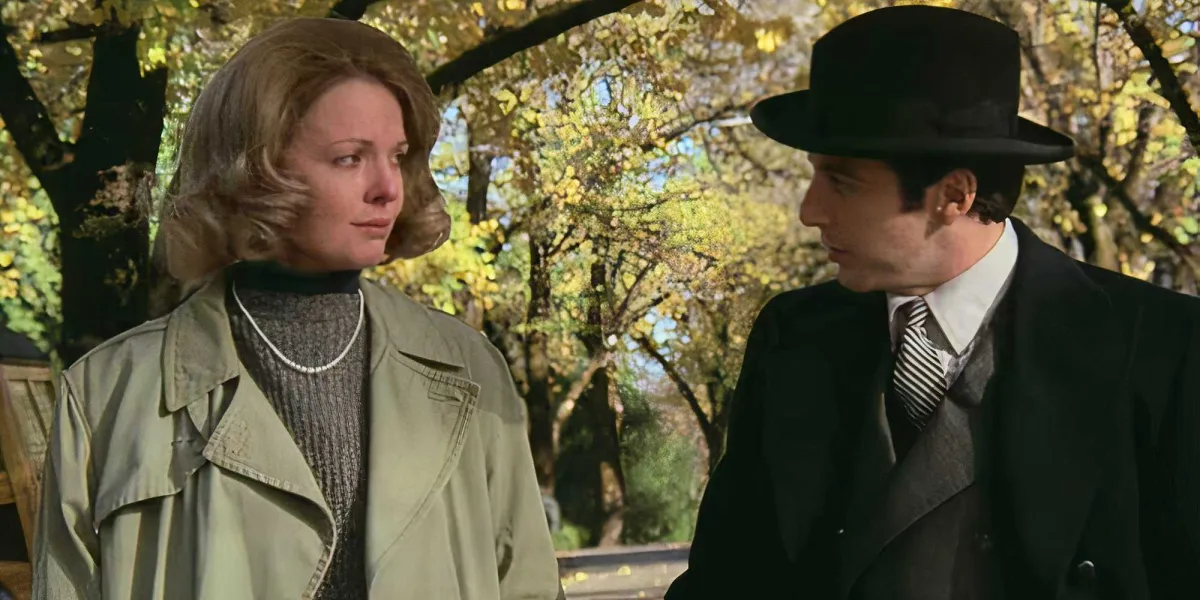 Photo: Diane Keaton, via static0.colliderimages.com
The Coastal Grandmother arrived. And she brought her linen with her.
But she was just the beginning. In the years since, the internet has generated an entire taxonomy of aspirational fashion archetypes — named, aestheticized, and immediately available for purchase — that have quietly restructured how a significant portion of the American public thinks about getting dressed. You're not just buying a blazer anymore. You're becoming someone. Someone with a lifestyle. Someone who definitely has a signature drink and a regular table at a place that doesn't take reservations.
The question nobody is asking loudly enough is: does any of this actually work? Or are we all just buying props for a character we'll never fully commit to playing?
A Brief Taxonomy of Women Who Definitely Own a Boat
Let's establish the major players, because there are now enough of them to fill a casting call.
The Coastal Grandmother is the one who started it all — credit (or blame) typically goes to a viral TikTok that gave language to an aesthetic that had technically always existed. She wears cream, ivory, oat, and the occasional dusty blue. She has a wicker bag. She reads physical books on porches. Her wardrobe is half Nantucket, half Nancy Meyers film set, and entirely aspirational for anyone who currently lives in a one-bedroom apartment with a view of a parking structure.
The Rich Auntie came next, and she brought more energy. She's the aunt who shows up to Thanksgiving in something that costs more than your rent and somehow makes everyone feel underdressed without being remotely unkind about it. Her aesthetic is expansive: structured bags, interesting jewelry, fabrics that drape rather than cling. She has been to several countries you haven't. Her presence implies that she has lived.
The Old Money Aesthetic is technically adjacent but deserves its own entry because it involves a specific and slightly exhausting commitment to looking as though you have never tried hard at anything in your life. Faded prep. Quiet logos. The implication of a family crest. This one is particularly interesting because it asks wearers to perform the aesthetic of not caring about aesthetics, which requires enormous amounts of caring.
The Clean Girl is younger, more urban, and technically not named after an age group, but she belongs in this taxonomy because she is equally fictional. She wakes up at 5:47am. Her skin is dewy without effort. She has a green smoothie and a tote bag and her apartment is white. She is, according to all available evidence, not a real person.
From Pinterest to the Rack at Target
Here's where things get commercially interesting.
These archetypes don't just live on mood boards. They migrate — with impressive speed — from niche aesthetic communities into mainstream retail. Once the Coastal Grandmother went viral, it took approximately four to six weeks for every mid-range retailer in America to quietly reorganize their linen section. J.Crew had been accidentally Coastal Grandmother for years, but suddenly they knew it. Quince pivoted. Amazon Finds became a Coastal Grandmother delivery system.
The Rich Auntie drove a similar response in structured knitwear and statement accessories. Old Money sent the preppy revival into overdrive and gave Polo Ralph Lauren a moment of cultural relevance it hadn't enjoyed since the early 2000s.
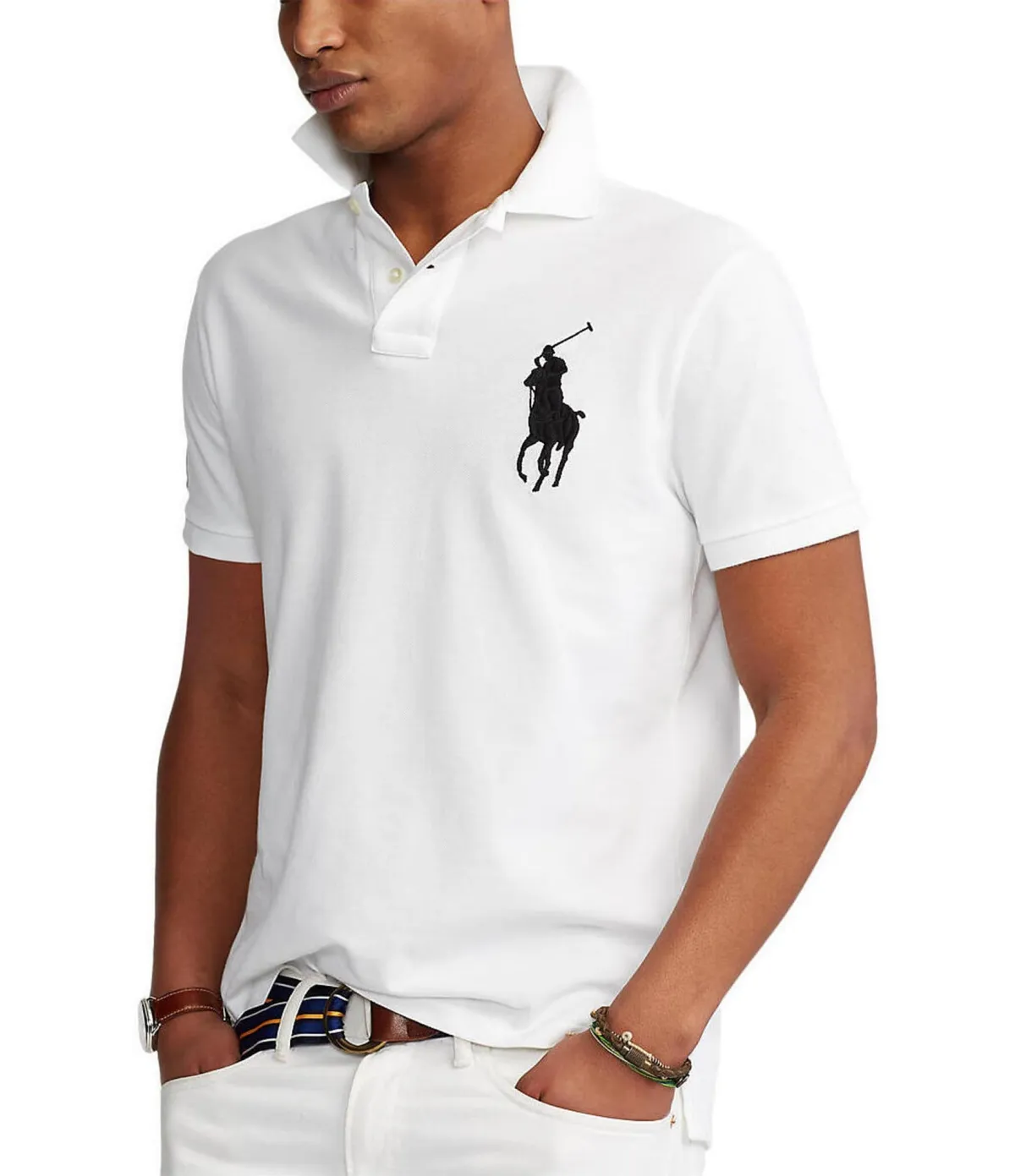 Photo: Polo Ralph Lauren, via dimg.dillards.com
What this means, practically, is that the archetypes are now self-reinforcing. The aesthetic gets named, the content spreads, the retailers respond, the products flood the market, more people buy in, more content gets made about the aesthetic, and the cycle continues until the archetype is so ubiquitous that it loses the aspirational quality that made it appealing in the first place. At which point a new archetype emerges, usually named after a different fictional woman with better real estate.
Who Actually Pulls This Off
Let's be honest here, which Voguishly is contractually obligated to be.
A small percentage of people who adopt an aspirational archetype genuinely inhabit it. These are people for whom the aesthetic is either a natural extension of who they already are, or who commit so fully — in lifestyle, not just wardrobe — that the costume becomes the character. The woman who is actually a Coastal Grandmother because she actually summers on the coast and is actually a grandmother. The Rich Auntie who has the life to back up the look.
A much larger percentage of people buy the linen blazer, wear it twice, and then feel vaguely unsettled by the gap between the life implied by the blazer and the life they are actually living. The blazer hangs there, aspirational and slightly accusatory, waiting for an occasion that matches its energy.
This is not a failure of the person. It's a structural feature of aspirational dressing: it sells you an identity that requires more than a wardrobe to actually inhabit.
The Brutally Honest Self-Assessment Quiz
Since the internet loves a quiz, and since self-knowledge is technically free, here is a quick diagnostic:
1. You own linen. How much of it have you actually worn in the past six months? A) Most of it — I live somewhere warm and I have a porch. (Coastal Grandmother: plausible) B) One piece, once, to a brunch where I felt amazing. (Aspirational: honest) C) None of it. It wrinkles if I look at it wrong. (Return the blazer.)
2. Your bag situation: A) Structured, quality leather, purchased as an investment. (Rich Auntie: possible) B) I have a structured bag I carry when I feel like the person who carries that bag. (Aspirational: relatable) C) Whatever fits my stuff. (Functional human: also valid)
3. When you describe your style to someone, you say: A) Something that reflects actual clothes you own and wear. (Grounded) B) The name of an archetype you found on TikTok. (You're in the right article) C) "I don't know, kind of... everything?" (Same, honestly)
The Verdict
Aspirational archetype dressing is not a problem. Wanting to dress toward a version of yourself that's slightly more composed, more intentional, more arrived — that's a fundamentally human impulse and fashion has always served it. The mood board is a legitimate tool.
The issue is when the archetype replaces the self rather than refining it. When you start making purchases based on who you want to be photographed as rather than who you actually are. When the linen blazer is doing more emotional work than any garment should reasonably be asked to do.
Dress like a Coastal Grandmother if it brings you joy. Lean into your Rich Auntie era if it makes you feel powerful. Just make sure, somewhere underneath the aesthetic, there's still an actual you in there — one who knows what she actually likes, what she actually wears, and whether she actually needs another linen piece.
Spoiler: she probably doesn't need another linen piece.
But the blazer is genuinely nice.