The Revenge Outfit Is Real and Science (Plus Your Ex's Face) Can Prove It
The Moment We All Recognize
You know the feeling. You're scrolling through Instagram at 11 PM when you see it: your ex looking insufferably happy at some rooftop bar in Brooklyn, arm draped around someone who definitely knows what a skincare routine is. Your immediate response isn't sadness or anger — it's a sudden, burning need to look so devastatingly good that they question every life choice that led them away from you.
Welcome to the revenge outfit phenomenon, a cultural cornerstone so universal that it transcends geographic boundaries, relationship statuses, and even basic common sense. Whether you call it "hot girl summer armor" or "emotional manipulation via midi dress," the revenge outfit has officially entered the psychological mainstream — and the research is here to back up what your mirror already knew.
The Science Behind Looking Devastatingly Good
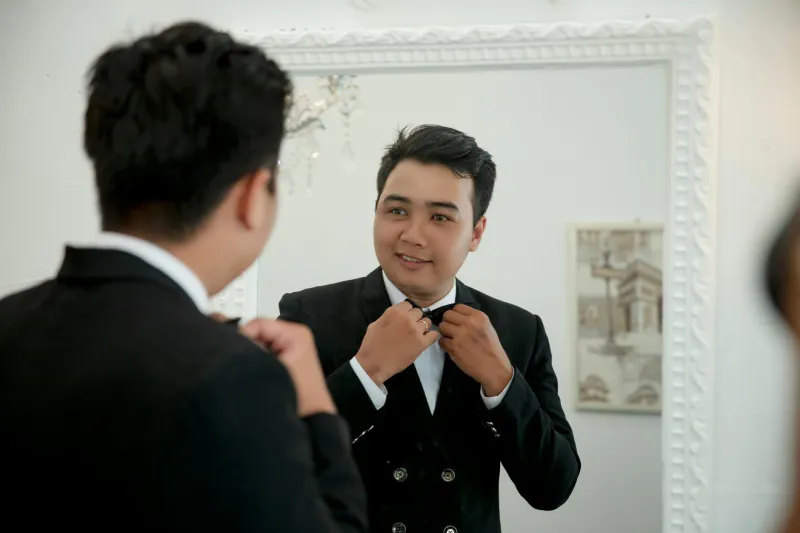
Dr. Jennifer Baumgartner, a clinical psychologist and author of "You Are What You Wear," explains that revenge dressing taps into something called "enclothed cognition" — the idea that what we wear literally changes how we think and feel about ourselves. When you slip into that perfect revenge outfit, you're not just changing clothes; you're activating a psychological power-up that makes you stand taller, speak more confidently, and emit the kind of energy that makes people wonder if you've been secretly taking vitamins made of pure confidence.
"The act of getting dressed with intention creates a psychological shift," Baumgartner notes. "When someone chooses an outfit specifically to project power or desirability, they're engaging in what we call 'embodied cognition' — literally wearing their emotional state."
In simpler terms: that red lipstick isn't just cosmetics; it's war paint with SPF.
The Anatomy of American Revenge Fashion
The modern revenge outfit has evolved far beyond the little black dress stereotype (though let's be honest, that still works). Today's emotional warfare wardrobe is more nuanced, more personal, and somehow more devastating in its specificity.
The Classic Power Move: The outfit that says "I'm thriving" without actually saying anything at all. Think tailored blazer, perfect jeans, and shoes that cost more than your ex spent on your last birthday gift. This look whispers "I have my life together" in a way that's audible from three zip codes away.
The Glow-Up Gambit: Reserved for high school reunions and accidental hometown encounters, this is the outfit that makes people do actual double-takes. It's the visual representation of "you didn't know what you had," executed with the precision of a military operation and the budget of someone who definitely learned how to invest in good skincare.
The Effortless Devastation: Perhaps the most advanced form of revenge dressing, this look appears casual but required forty-five minutes of strategic planning. It's the "I woke up like this" lie, perfected to an art form that would make Beyoncé proud.
The Cultural Currency of Looking Good
In 2024 America, the revenge outfit has become more than personal therapy — it's social media strategy. The carefully curated "soft launch" photo, the strategically timed story post, the group photo where you look inexplicably radiant while everyone else looks like they're fighting seasonal allergies. These aren't accidents; they're calculated moves in the chess game of modern dating.
Social media has transformed the revenge outfit from a personal confidence boost into a public performance. That mirror selfie isn't just for you anymore — it's a carefully crafted message broadcast to an audience of friends, followers, and yes, that ex who still watches your stories despite having blocked you on everything else.
The Economics of Emotional Warfare
Here's where things get interesting: revenge shopping is a legitimate economic force. According to retail analytics, searches for "confidence boosting outfits" spike by 300% following major breakup seasons (we're looking at you, February and August). The revenge outfit economy is so real that some retailers have started marketing directly to the recently single, with email campaigns that basically say "him loss, your gain" in corporate speak.
The average American spends $400 on post-breakup wardrobe updates, according to a 2023 study by the American Psychological Association. That's not retail therapy; that's strategic investment in psychological warfare.
The Unintended Consequences of Looking Too Good
But here's the plot twist nobody talks about: the revenge outfit sometimes works too well. You dress to make your ex jealous, but instead you accidentally attract the attention of their attractive friend. You plan to look devastatingly good at your high school reunion, but end up fielding LinkedIn messages from people who suddenly remember how "funny and smart" you always were.
The revenge outfit can become a victim of its own success, creating a feedback loop where looking good for spite becomes looking good for yourself, which then becomes just... looking good because you can.
The Ultimate Revenge: Not Needing One
The final stage of revenge outfit evolution is perhaps the most sophisticated: reaching the point where you dress well not to prove anything to anyone, but because you genuinely enjoy the way confidence feels when it's tailored to fit perfectly.
That's not to say the revenge outfit should be retired — sometimes you need that extra boost of psychological armor, and there's nothing wrong with using fashion as emotional support. But the real power move is when your everyday outfits become so consistently good that your revenge look is just... Tuesday.
After all, the best revenge isn't looking good for someone else's benefit. It's looking so consistently amazing that you forget why you needed revenge in the first place. And if your ex happens to notice? Well, that's just a happy accident in a really great outfit.