The January Activation Sequence
It starts innocently enough. December 31st rolls around, champagne is flowing, and suddenly everyone becomes a lifestyle strategist with ambitious plans for personal transformation. Social media feeds flood with "New Year, New Me" content, and somewhere between the confetti and the hangover, millions of Americans decide that this is the year they become the type of person who owns matching workout sets.
By January 2nd, the activewear industrial complex is in full swing. Lululemon's website crashes from traffic. Alo Yoga influencers are working overtime. Somewhere in corporate America, a PowerPoint presentation titled "Q1 Athleisure Projections" is making executives very, very happy.
The Influencer Effect Is Real and Expensive
Let's be honest about what's really driving this annual spending spree: it's not just resolution energy, it's aspiration by proxy. We see fitness influencers looking effortlessly gorgeous in $128 leggings, performing yoga poses that would require a team of chiropractors to undo, and somehow convince ourselves that the clothes are the missing piece of the puzzle.
The math seems simple: Buy the outfit, become the person. If it works for @SunriseyogababeLA, surely it'll work for someone whose most athletic achievement this year was carrying all the groceries inside in one trip.
This is where the activewear industry reveals its true genius. They're not selling clothes—they're selling identity. Those leggings aren't just pants; they're a membership card to the club of people who have their lives together, who drink green smoothies without making faces, who consider 6 AM an acceptable time to be conscious and moving.
The Unboxing Dopamine Hit
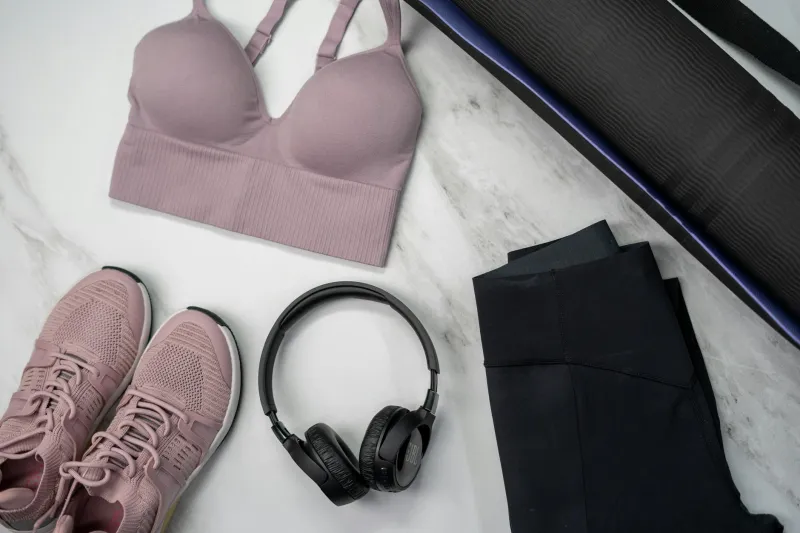
The packages start arriving, and for a brief, shining moment, everything feels possible. The sports bras fit perfectly. The leggings don't create any concerning geometric shapes. The matching sets photograph beautifully for the obligatory "new gear, new goals" Instagram story.
This is peak activewear optimism, the moment when the gap between intention and reality feels completely bridgeable. You're not just someone who bought expensive exercise clothes—you're someone who's about to transform their entire relationship with fitness, wellness, and probably life in general.
The dopamine hit is real and powerful. Studies show that the act of purchasing can trigger the same brain chemistry as actually achieving a goal. So in a way, buying workout clothes does make you feel like you've already accomplished something fitness-related, which is both fascinating and slightly problematic.
The February Pivot
Somewhere around Valentine's Day, a shift occurs. Those $120 leggings that were supposed to motivate daily workouts have found a new purpose: they're the most comfortable pants you own, perfect for working from home, binge-watching true crime documentaries, and convincing yourself that wearing activewear counts as being active.
This isn't failure—it's evolution. The activewear has simply adapted to your actual lifestyle rather than your aspirational one. Those moisture-wicking properties that were designed for intense gym sessions? Turns out they're also excellent for the mild perspiration that comes from heated arguments with Netflix's algorithm.
The Great Rationalization
By March, a beautiful rationalization process begins. "I wear these leggings constantly," you tell yourself, "so really, the cost-per-wear is practically nothing." This is technically true, just not in the way the fitness industry intended.
The sports bras become the most supportive undergarments you own, perfect for days when regular bras feel like medieval torture devices. The moisture-wicking tops are ideal for any activity that might involve light sweating, which apparently includes folding laundry, cooking dinner, and having strong opinions about reality TV.
The Closet Archaeology
Fast forward to the following January, and the cycle begins anew. But first, there's the archaeological dig through last year's activewear purchases. Tags still attached to items you forgot you owned. Workout clothes in colors you definitely don't remember choosing. That matching set you were so excited about, now relegated to the back of the drawer like a fitness relic.
This is when the cognitive dissonance really kicks in. You're simultaneously aware that you never wore half of last year's purchases AND convinced that this year's haul will be different. This year, you'll definitely be the person who needs seven different sports bras and leggings in four different levels of compression.
The Economics of Exercise Optimism
The numbers are staggering. Americans spend over $3 billion on activewear every January, fueled by resolution energy and the belief that the right clothes can catalyze the right habits. The activewear market has grown by 70% in the past five years, and it's not because we've become 70% more active as a nation.
What we've become is 70% more willing to invest in the idea of being active, which is both admirable and slightly absurd. We're essentially paying premium prices for the privilege of feeling guilty about clothes we don't use for their intended purpose.
The Comfort Revolution
But maybe we're looking at this all wrong. Maybe the great activewear migration from gym to couch isn't a failure—it's a quiet revolution in comfort dressing. We've collectively decided that life is too short for pants that don't stretch, bras that don't breathe, and clothes that punish you for existing in a human body.
The fact that we've repurposed workout clothes into lifestyle clothes says something profound about our priorities. We want to be comfortable. We want clothes that move with us, whether we're doing yoga or just doing life.
The Annual Reset
So here we are again, another January, another opportunity to convince ourselves that this time will be different. The activewear websites are loading slowly under the weight of collective resolution traffic. Somewhere, a fitness influencer is posting about their morning routine, and millions of people are adding items to their cart.
And you know what? Maybe that's perfectly fine. Maybe the annual activewear ritual isn't about fitness at all—it's about hope, possibility, and the very human desire to believe we can change. Even if those changes end up looking more like comfortable pants and less like marathon training, at least we're comfortable while we figure it out.