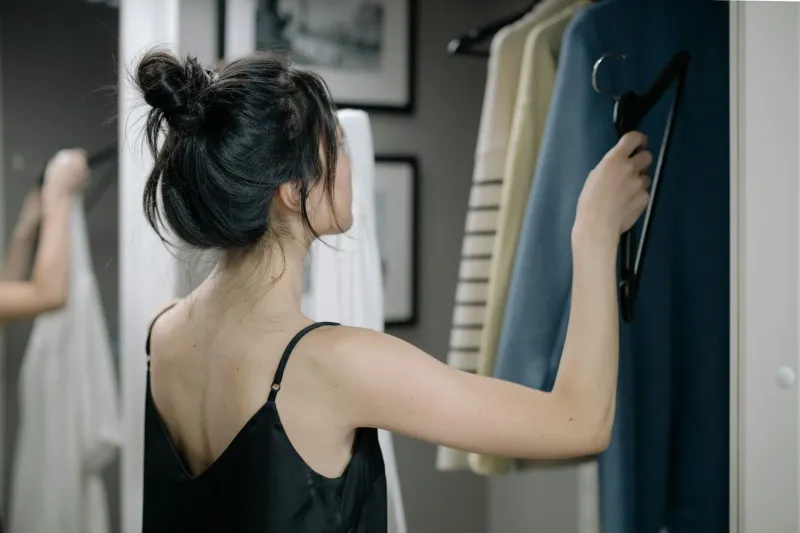
Stage One: Denial (Days 1-7)
"I'm definitely returning this."
The package arrives, you open it with the ceremonial enthusiasm of someone who definitely made good choices, and immediately realize you have made a terrible mistake. The color is wrong. The fit is wrong. The entire concept of you wearing this item was wrong.
But here's the thing about Denial – it's comfortable. It allows you to keep the tags on, fold the item carefully back into its plastic bag, and tell yourself this is just a temporary housing situation. You're going to return it. Obviously. You're a responsible adult who makes responsible financial decisions.
You put it in your "return pile" – that optimistic corner of your room where items go to wait for their second chance at freedom. The return pile is where good intentions go to die, but during Week One, it still feels like a legitimate organizational system.
"I just need to find the receipt," you tell yourself, despite the fact that the receipt is definitely in your email and returning things online takes approximately four clicks. But finding receipts feels like work, and Week One You is still convinced that Future You will handle this situation with the efficiency and decisiveness that Current You clearly lacks.
Stage Two: Bargaining (Days 8-14)
"Maybe I just need the right accessories."
Week Two is when things get creative. You start googling styling tips for items you don't actually like. "How to style oversized blazers for petite frames." "Can you wear neon green in winter?" "What accessories make everything look intentional?"
This is the bargaining phase, where you become convinced that the problem isn't the item – it's your lack of imagination. Surely with the right belt, the right shoes, the right complete personality transplant, this could work.
You might even try it on again, this time with different undergarments, different lighting, different expectations. You take a mirror selfie and immediately delete it. You consider asking your friends for opinions but realize that would require admitting you bought something questionable in the first place.
"I could wear this to [insert vague future event that will definitely never happen]." Wedding guest outfit? Sure, if the wedding is themed "mistakes I made online." Date night? Only if you want the date to end early.
Stage Three: Anger (Days 15-21)
"This is false advertising."
Week Three is when you get mad. Mad at the model who looked amazing in this. Mad at the lighting in those product photos. Mad at your past self for thinking you were the type of person who could pull off palazzo pants.
You start reading reviews and realize you're not alone. "Runs small," writes ReviewerMom47. "Nothing like the picture," adds FashionVictim2023. Where were these people two weeks ago when you needed them?
This is also when you start calculating the true cost of returning the item. Sure, it was $67, but now you have to find a box, print a label, drive to the post office, wait in line behind someone who's definitely shipping something to 1987 based on how long this is taking. Suddenly keeping a $67 mistake feels more economical than spending $67 worth of your time and sanity on the return process.
You briefly consider selling it online, but that would require taking good photos, writing a description, and dealing with strangers who will definitely try to negotiate your already-reasonable price down to "will you take $3 and a Starbucks gift card?"
Stage Four: Depression (Days 22-28)
"I am bad at clothes."
Week Four is the dark night of the soul. You stare at the item, still in its plastic bag, still mocking you with its unworn tags. You start questioning all your fashion choices. If you were wrong about this, what else are you wrong about? Is anything in your closet actually good? Do you have any idea what looks good on you?
This is when you start researching personal stylists and wondering if you should just wear uniforms for the rest of your life. Steve Jobs had the right idea. Mark Zuckerberg gets it. Why do you keep pretending you're good at this?
 Photo: Mark Zuckerberg, via fortune.com
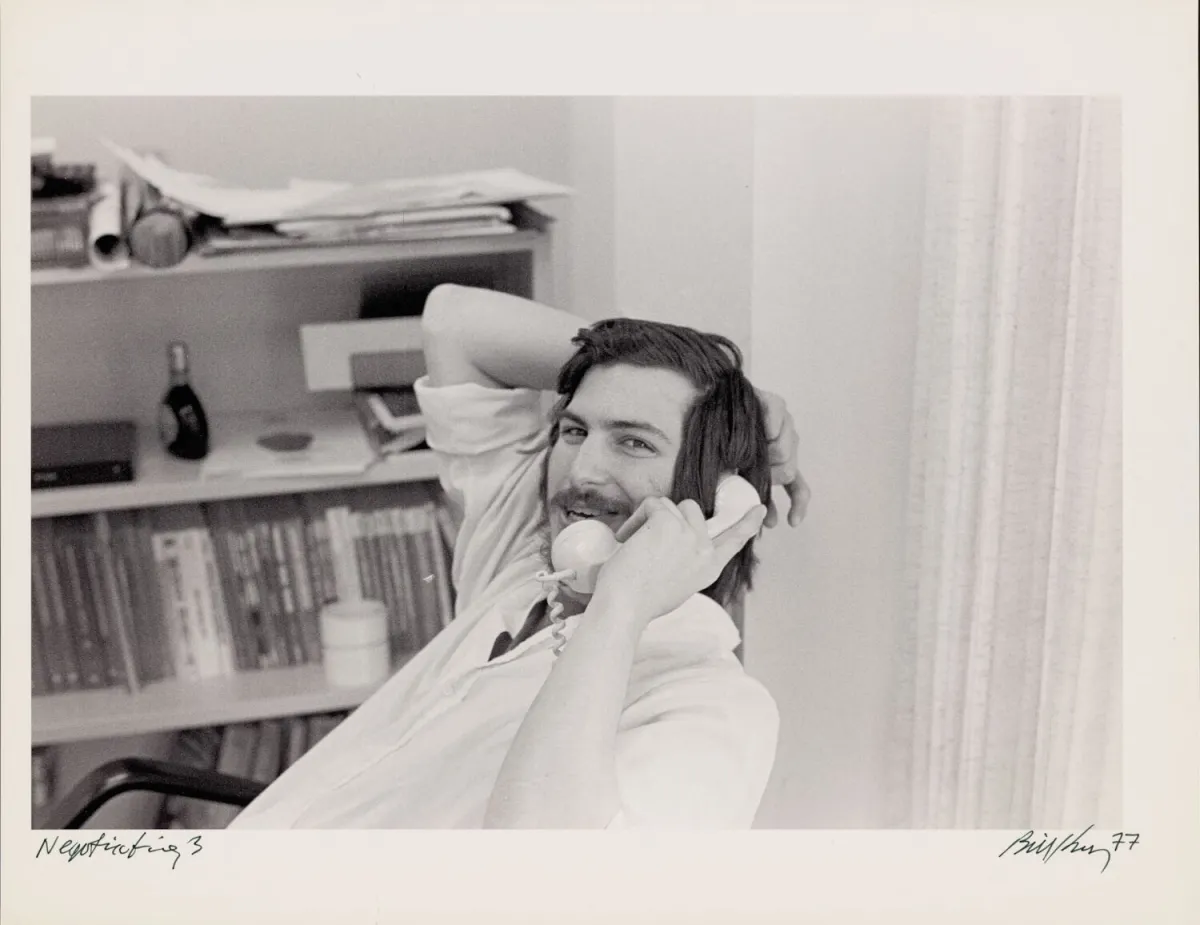 Photo: Steve Jobs, via book.stevejobsarchive.com
You consider donating the item, but that feels like admitting defeat. Plus, you'd still be out $67, which could have been approximately 67 items from the McDonald's dollar menu, or 67% of your monthly streaming service budget, or 67 regrets that you'd at least have consumed instead of just staring at.
Stage Five: Acceptance (Day 29 and Beyond)
"This is mine now. We're going to figure this out together."
Something magical happens on Day 29. The return window is about to close, and instead of panic, you feel... peace. This item is yours now. For better or worse, in good styling and in bad, until death or Marie Kondo do you part.
 Photo: Marie Kondo, via www.lifebetweenweekends.com
Maybe you'll never wear it. Maybe it will live in your closet as a $67 reminder to read reviews more carefully. Maybe one day, in a fit of desperation or a moment of inspired styling genius, you'll finally find a way to make it work.
Or maybe – and this is the most beautiful part of Acceptance – maybe you'll realize that keeping something you don't love is actually a radical act of self-compassion. You made a mistake, and instead of punishing yourself with the hassle of returning it, you're choosing to forgive yourself and move on.
The Acceptance Wardrobe: A Collection of Beautiful Mistakes
Here's the thing about items you've kept through the Five Stages: they become part of your story. That dress you bought for a life you don't actually live? It's a reminder that you're still figuring out who you want to be, and that's okay. That blazer that makes you feel like you're playing dress-up? Maybe sometimes playing dress-up is exactly what you need.
The Acceptance Wardrobe isn't about loving every item you own – it's about making peace with the fact that figuring out your style is a process, and sometimes that process involves $67 mistakes that teach you more about yourself than $67 successes ever could.
The Return Window Conspiracy
Retailers know about the Five Stages. They've done the math. They know that most people will talk themselves into keeping things rather than deal with the hassle of returning them. The 30-day return window isn't customer service – it's behavioral psychology.
But maybe that's not such a bad thing. Maybe the Five Stages of Keeping Bad Purchases are actually the Five Stages of Learning to Live with Imperfection. Maybe accepting that you're going to make questionable fashion choices is the first step to making better ones.
Or maybe you're just going to keep buying things you don't love and convincing yourself you'll return them tomorrow. Either way, at least you're consistent.
And hey, that thing you bought three months ago that you swore you'd never wear? Check your closet. Odds are you're wearing it right now.