The Crime Scene
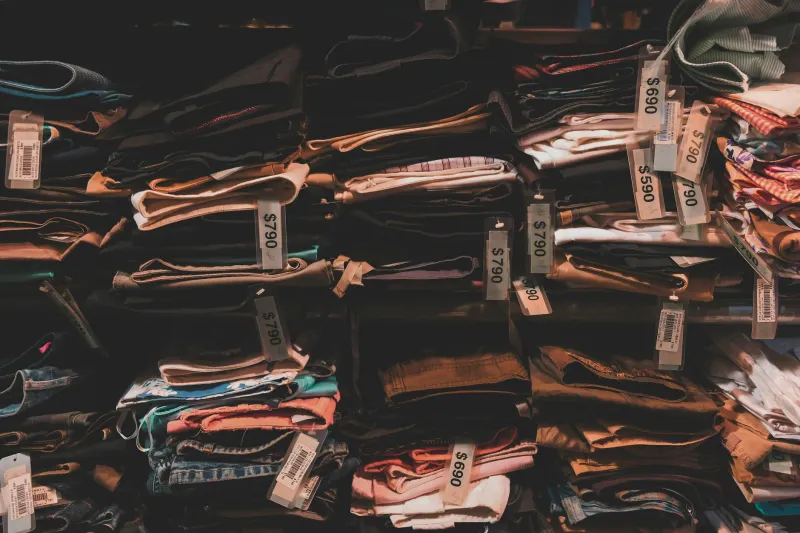
In a closet somewhere in suburban Denver, a $400 metallic blazer hangs in pristine condition, tags carefully tucked but still attached. Its owner, Sarah, bought it eight months ago with the unwavering confidence that her life was about to become significantly more glamorous. The blazer was destined for "something special" — a promotion celebration, a fancy dinner, maybe even a spontaneous night out that would finally justify its existence.
That something special has yet to materialize, but Sarah remains optimistic.
Welcome to Fantasy Wardrobe Syndrome, America's most expensive form of wishful thinking. It's the national epidemic affecting millions of closets coast to coast, where statement pieces live in perpetual readiness for occasions that exist primarily in our imagination.
The Usual Suspects
The Leather Pants Believer: Convinced that one day they'll transform into the type of person who wears leather pants to brunch. The pants cost $300 and have been worn exactly zero times, but they represent possibility incarnate.
The Sequin Optimist: Owns at least three items covered in sequins despite attending approximately one formal event per year (their cousin's wedding in 2019). Each purchase is accompanied by the mantra: "I need more sparkle in my life."
The Statement Shoe Collector: Has accumulated a small fortune in shoes that require "the right outfit" — which apparently doesn't exist in their current wardrobe or lifestyle. These shoes watch sadly from their boxes as sensible flats get all the action.
The Occasion Dress Hoarder: Maintains a section of cocktail dresses for events that hover somewhere between "maybe" and "probably not." Each dress represents a version of themselves they're convinced they'll eventually become.
The Psychology of Sartorial Delusion
Dr. Rebecca Martinez, a consumer psychologist at NYU, explains the phenomenon: "We're essentially buying clothes for our aspirational selves. That $200 crop top isn't just fabric — it's a down payment on becoming the type of person who confidently wears crop tops to the grocery store."
The purchase moment is intoxicating. Standing in that fitting room, fluorescent lights somehow flattering for once, we can practically see our transformed lives. The sequined skirt isn't just clothing; it's a personality upgrade. The leather jacket isn't just outerwear; it's a complete vibe overhaul.
"I bought this incredible feathered mini skirt," admits Jessica from Portland. "I told myself I'd wear it to my friend's birthday party. Then her birthday party was at a brewery. Then I thought maybe New Year's Eve. Then New Year's Eve was at someone's house watching Netflix. The skirt is still waiting for its moment, but I refuse to give up hope."
The Eternal Return Window
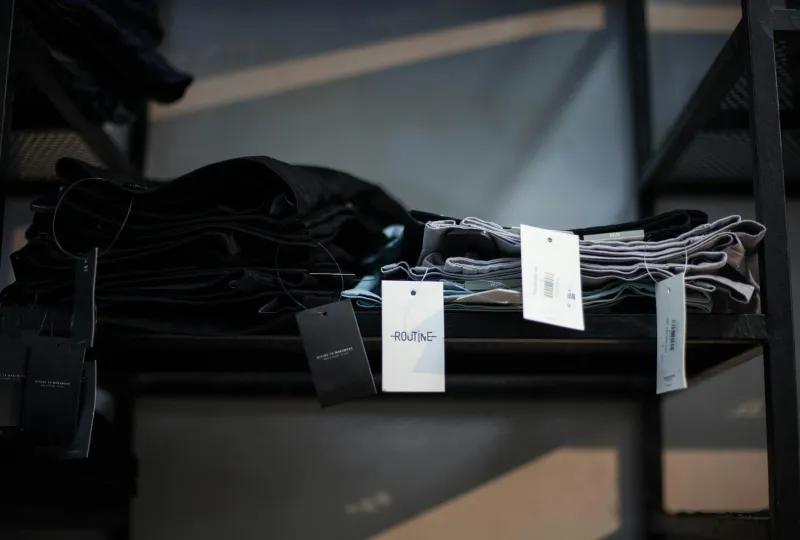
Perhaps the most tragic subplot of Fantasy Wardrobe Syndrome is the return window dance. We buy the statement piece with every intention of returning it if the right occasion doesn't present itself. We keep the tags on. We save the receipt. We set phone reminders.
Then life happens. The return window closes while we're busy living our actual lives — the ones that apparently don't require metallic pants or rhinestone boots. Suddenly, we own the item permanently, and the guilt sets in.
"I have a $350 jumpsuit that I've never worn," confesses Marcus from Chicago. "I missed the return window by three days. Three days! Now it's basically an expensive reminder of my own delusions about how interesting my social calendar would become."
The Closet Hall of Fame
Every Fantasy Wardrobe has its hall of fame — those pieces so optimistically purchased that they've transcended clothing and become art installations. The mesh top bought for "festival season" (despite never attending festivals). The white jeans purchased with the confidence of someone who doesn't spill coffee on themselves daily. The backless dress bought by someone who exclusively wears sports bras.
These items exist in a state of perpetual readiness, like fashion emergency responders waiting for the call that never comes.
The Great Justification
The beauty of Fantasy Wardrobe Syndrome lies in its eternal optimism. Each unworn item represents hope — hope that our lives will eventually catch up to our shopping habits. Hope that we'll spontaneously become the type of person who needs a collection of statement necklaces. Hope that "smart casual" will somehow require metallic ankle boots.
"I keep telling myself that one day I'll be invited to something that requires my gold lamé skirt," says Amanda from Miami. "And when that day comes, I'll be ready. Until then, it's providing moral support to my regular clothes."
The Verdict
Perhaps the real question isn't whether we'll ever wear these fantasy pieces, but whether we even want to. Maybe the purchase itself is the point — the moment of believing we could be anyone, do anything, wear anything. Maybe our closets aren't storage spaces but vision boards, filled with versions of ourselves we're still deciding whether to become.
After all, in a world of endless possibilities, shouldn't our wardrobes reflect the same boundless optimism? Even if that optimism costs $400 and comes with tags still attached.
The metallic blazer in Denver continues its vigil, patient and ready. Sarah's life may not have become more glamorous yet, but there's always tomorrow. And tomorrow might just be sequin-worthy.