Death by Designer Tags: Inside America's $50 Billion Closet Cemetery
The Crime Scene
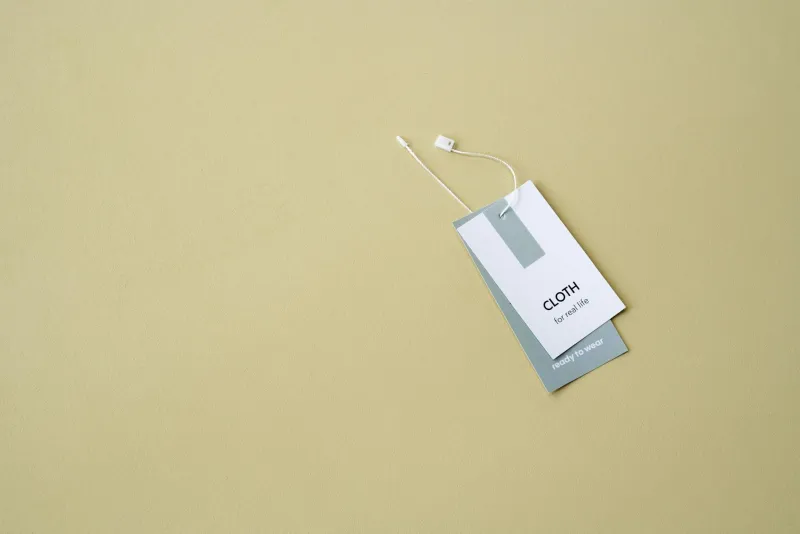
Let's start with the uncomfortable truth: somewhere in your closet right now, there's a piece of clothing that's been plotting your financial demise since the day you brought it home. It's probably hanging there innocently, tags still attached, price still visible like a neon sign advertising your questionable life choices.
You know the one. Maybe it's that $180 blazer you bought because you were definitely going to become the type of person who wears blazers to brunch. Or perhaps it's those leather pants that seemed like a reasonable purchase at 2 AM after three glasses of wine and a particularly convincing Instagram ad.
Welcome to America's most expensive graveyard — and unlike actual cemeteries, this one lives in your bedroom and judges you every morning.
The Autopsy Report
According to recent studies, the average American has approximately $1,800 worth of unworn clothes hanging in their closet. That's not a typo. We're literally wearing a down payment on a car while complaining we have nothing to wear.
But here's where it gets really interesting: these aren't random purchases. These are carefully curated fantasies, each one representing a different version of ourselves we were absolutely convinced we'd become. The sequined mini dress for the nightlife you don't have. The hiking boots for the outdoor adventures you keep postponing. The white jeans for the confidence you're still working on.
Each tag tells a story of optimism so pure, so unbridled, that it borders on delusional. And honestly? We're kind of here for it.
The Psychology of Aspirational Shopping
There's actual science behind why we do this to ourselves (and our bank accounts). Psychologists call it "aspirational purchasing" — basically, we're not buying clothes for who we are, we're buying them for who we think we're about to become.
It's the retail equivalent of buying a gym membership in January. Sure, you haven't worked out since the Clinton administration, but this time is different. This time, you're going to be the type of person who needs activewear that costs more than most people's rent.
The real kicker? This optimistic shopping actually serves a psychological function. It makes us feel like we're taking concrete steps toward our ideal selves, even when those steps involve nothing more strenuous than adding items to an online cart.
The Hall of Fame (Or Shame)
Let's take a moment to honor some of the greatest hits in the "I'll Wear It Someday" catalog:
The Statement Coat: Usually purchased during a brief moment of believing you're the type of person who makes statements with outerwear. Currently serving as the world's most expensive closet decoration.
The Going-Out Top: Bought with the absolute certainty that your social life was about to dramatically improve. Spoiler alert: it didn't, but at least you're ready if it ever does.
The Uncomfortable Shoes: Because nothing says "I'm going to completely change my lifestyle" like buying footwear that requires a completely different skeletal system to wear comfortably.
The White Anything: The ultimate optimism purchase. White pants, white blazers, white bags — all bought by people who apparently believe they're about to stop eating messy foods forever.
The Great American Delusion
What makes this phenomenon particularly American is our unwavering belief that we can purchase our way into a new identity. We treat shopping like a vision board you can wear, convinced that the right outfit will somehow transform us into the person we want to be.
It's capitalism meets self-help, and the results are both financially devastating and oddly touching. Because at its core, every tagged item in your closet represents hope. Hope that you'll become more adventurous, more confident, more social, more sophisticated — more something.
The Reckoning
Here's the thing about our closet graveyards: they're not really about the clothes. They're about the gap between who we are and who we think we should be. Every unworn piece is a tiny monument to our unrealistic expectations of ourselves.
But maybe that's not entirely a bad thing. Maybe those tags are less like tombstones and more like bookmarks, holding our place in the story of who we might still become. Sure, you haven't worn that silk slip dress yet, but who's to say you won't suddenly develop a silk slip dress lifestyle?
The Afterlife
If you're ready to perform last rites on your tagged treasures, you've got options. Consignment stores are basically hospice care for unworn clothes — they'll find your aspirational purchases new homes where they might actually fulfill their intended purpose.
Or you could embrace the chaos and start wearing that sequined top to grocery store runs. After all, if 2024 has taught us anything, it's that normal is a construct and life is too short for practical fashion choices.
In Loving Memory
So here's to every piece of clothing that believed in a version of us we haven't quite become yet. To the dresses waiting for parties, the shoes hoping for adventures, and the blazers dreaming of a more professional tomorrow.
You may not have lived up to your potential, but you've served a higher purpose: reminding us that hope springs eternal, even when it's hanging in our closets with the tags still on.