Dark Academia Meets Corporate Revenge: How America Fell in Love with Looking Intimidatingly Chic
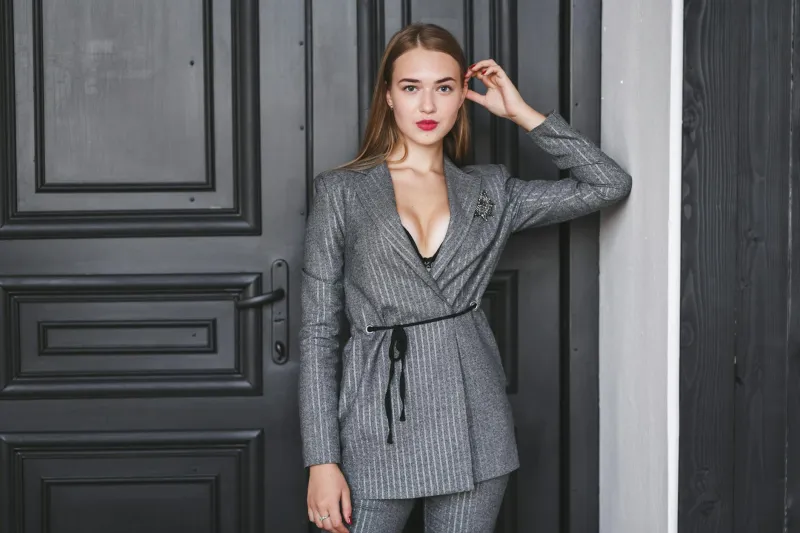
The Rise of the Anti-Hero Aesthetic
Something shifted in America's collective wardrobe consciousness sometime around 2023, and it wasn't subtle. Walk through any major city—New York, LA, Chicago, Austin—and you'll spot them: people dressed like they're about to deliver devastating news in a boardroom or announce they've been the puppet master all along. Sharp blazers that could double as weapons, all-black outfits that whisper "I know something you don't," and an overall energy that says "I'm the final boss of my own life, thank you very much."
This isn't your garden-variety goth revival or even the millennial obsession with looking effortlessly disheveled. This is something more calculated, more intentional. Americans are dressing like villains, and somehow, it's the most empowering fashion movement we've seen in years.
From TikTok Manifestation to Mall Reality
The "villain era" started as internet speak—a way to describe that moment when you stop apologizing for taking up space and start leaning into your own power. But like all good digital concepts, it jumped from screen to street faster than you could say "dark feminine energy."
TikTokers began posting their villain era outfit breakdowns: structured coats that add three inches to your shoulders, pointed-toe boots that click ominously on marble floors, and accessories that look expensive even when they're not. The algorithm ate it up, and suddenly everyone from college students in Ohio to tech executives in Seattle was asking themselves: "What would my villain era look like?"
The answer, apparently, involves a lot of black, some very serious tailoring, and the kind of confidence that makes people wonder if you're plotting something magnificent.
The Psychology of Power Dressing 2.0
Traditional power dressing was about fitting in—looking professional enough to be taken seriously in rooms full of men in navy suits. The villain era aesthetic flips that script entirely. It's about standing out in a way that commands respect rather than requests it.
Dr. Sarah Chen, a fashion psychologist at NYU (yes, that's a real job), explains it this way: "We're seeing people use clothing as a form of personal armor. After years of uncertainty—pandemic, economic instability, social upheaval—there's something deeply satisfying about dressing like you have everything under control, even if you're just going to Target."
It's armor that happens to look incredible under fluorescent lighting, which is perhaps the true test of any outfit's power.
The Anatomy of an Intimidating Outfit
So what exactly makes an outfit read as "villain era"? It's not about looking mean or unapproachable—it's about looking like you could be either incredibly helpful or incredibly dangerous, and people will just have to find out which.
The Blazer That Means Business: Structured shoulders are non-negotiable. We're talking about blazers that could stand up on their own, preferably in black, charcoal, or that specific shade of navy that looks almost black until you're standing next to someone wearing actual black.
Bottoms That Don't Mess Around: High-waisted trousers with a perfect crease, pencil skirts that require commitment to sit down, or leather pants that make a sound when you walk. The key is intentionality—nothing about this look is accidental.
Accessories with Attitude: Pointed jewelry, structured bags that could double as briefcases, and sunglasses worn indoors (but somehow it works). Think less "I forgot I was wearing these" and more "I am wearing these as a statement."
The Finishing Touch: Confidence that borders on intimidating, but in the best possible way. It's the difference between looking like you're playing dress-up and looking like you were born to wear that coat.
Why Now? The Cultural Moment Behind the Movement
The timing of America's villain era obsession isn't accidental. After years of being told to be grateful for less-than-ideal circumstances, to make do, to be understanding, there's something deeply satisfying about dressing like you're done with all of that.
"It's aspirational rebellion," notes fashion historian Marcus Rodriguez. "People are dressing for the life they want—one where they're in control, where they're taken seriously, where they don't have to explain themselves twice."
It's also worth noting that this aesthetic works across gender lines in a way that's refreshingly uncomplicated. Men in perfectly tailored black coats, women in power suits that could stop traffic, non-binary folks in outfits that defy categorization while looking absolutely intentional—the villain era is an equal opportunity power trip.
The Economics of Looking Expensive (Even When You're Not)
Here's the beautiful thing about villain era dressing: it's more about structure and intention than actual price tags. A $30 blazer from H&M can look like a million bucks if it fits properly and you wear it like you own the building.
The key investments are in fit and a few statement pieces that do heavy lifting. One incredible coat can transform your entire wardrobe into something that looks like it was curated by someone with a trust fund and excellent taste.
Living Your Best Antagonist Life
The villain era isn't about being actually villainous—it's about finally dressing like the main character in your own story instead of someone's supportive best friend. It's about walking into rooms like you belong there, wearing outfits that suggest you probably know something everyone else doesn't.
In a world that often feels chaotic and unpredictable, there's something deeply satisfying about looking like you have everything under control. Even if you're just going to the grocery store, sometimes you need to dress like you're about to negotiate a very important deal.
After all, confidence is the best accessory, and a really good blazer doesn't hurt either.