The Crime Scene
Somewhere in America, hanging in a closet between a college sweatshirt and a blazer from 2019, lives a dress. It's periwinkle blue—or was it dusty rose? The bride called it "a color you can totally wear again." That was three years ago. The dress has not been worn again.
This is not an isolated incident. This is an epidemic.
Welcome to the great American bridesmaid dress conspiracy, where optimism meets polyester and logic goes to die. It's a phenomenon so universal, so predictable, that scientists should probably study it. If they did, they'd discover that the phrase "you'll definitely wear it again" has a 98% failure rate, making it less reliable than a Magic 8-Ball and significantly more expensive.
The Psychology of Satin-Covered Lies
Let's examine the crime scene more closely. The average bridesmaid dress costs between $150-$300, not including alterations, shoes, or the emotional labor of pretending you love it. Yet every single person involved in this transaction—bride, bridesmaid, and that suspiciously enthusiastic sales associate—participates in an elaborate fiction.
"It's so versatile!" the bride insists, gesturing at a floor-length gown in a shade that can only be described as "aggressive mint." "You could wear it to a cocktail party!"
To which cocktail party, exactly? The kind where everyone else received the memo about aggressive mint being the theme? The kind that exists only in the parallel universe where bridesmaid dresses make sense as regular clothing?
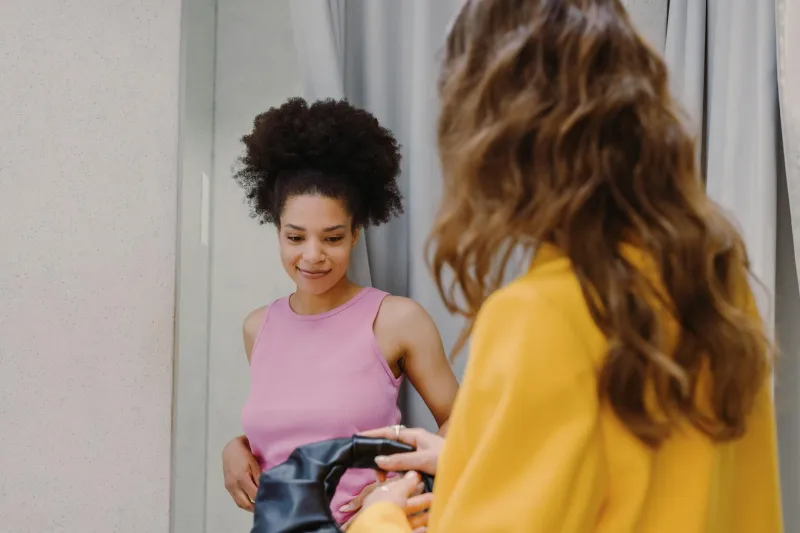
The bridesmaid nods along because she loves her friend, and also because she's trapped in a David's Bridal with nowhere to run. "You're so right," she hears herself saying. "I could totally see myself wearing this to... things."
The Great Rationalization Olympics
Once the dress is purchased, the mental gymnastics begin in earnest. Bridesmaids become Olympic-level rationalizers, capable of mental contortions that would impress a yoga instructor.
"I could get it hemmed," they tell themselves, despite having never hemmed anything in their lives.
"I could dye it black," they think, conveniently forgetting that they once turned an entire load of laundry pink trying to wash a red sock.
"I could wear it to a work party!" they declare, apparently forgetting that they work in accounting, not at a fairy tale castle.
The most ambitious among them even buy accessories. Matching shoes in that same aggressive mint. A wrap that "goes perfectly." A clutch that cost more than most people's grocery budget. They're not just buying a dress; they're buying into a lifestyle that exists only in their imagination.
The Graveyard Shift
Fast-forward eighteen months. The wedding photos have been posted, liked, and forgotten. The bride has moved on to obsessing over anniversary dinner reservations. And somewhere in America, that bridesmaid dress hangs in darkness, tags removed but dreams intact.
It's joined by others. The navy blue one from college that was "so classic." The burgundy one from that destination wedding that was "totally wearable for date nights." The champagne-colored nightmare from cousin Sarah's third wedding that was "practically a regular dress."
They hang there like a support group for delusional purchases, each one a testament to the triumph of hope over experience.
The Forensic Evidence
Let's examine the evidence objectively. When, exactly, does one wear a floor-length dress with a sweetheart neckline and a built-in bra in "dusty sage"? The annual Dusty Sage Ball? The International Conference of Impractical Formal Wear?
The truth is that bridesmaid dresses exist in a fashion purgatory. They're too fancy for casual events, too specific for formal ones, and too memorable for repeat appearances in the same social circle. They're the clothing equivalent of that friend who's fun at parties but you wouldn't want to live with them.
The Matching Shoe Conspiracy
We haven't even discussed the shoes. Oh, the shoes. Dyed to match in a color that doesn't exist in nature, with a heel height that seemed reasonable in the store but now feels like a personal attack on your ankles. These shoes have one job: to look good in wedding photos. Mission accomplished. Mission never to be repeated.
These shoes cost $60-$120 and will be worn exactly once, making them among the most expensive per-wear items in fashion history. They're the footwear equivalent of a space mission—impressive, costly, and not something you're likely to do again.
The Great Awakening
Eventually, reality sets in. Maybe it's during a closet cleanout, or when you're desperately searching for something to wear and your eyes land on the dress. You pull it out, hold it up, and finally see it for what it truly is: a $200 costume for someone else's fantasy.
This is the moment of truth. Some people donate the dress immediately, finally admitting defeat. Others hang it back up, unable to fully let go of the dream. "Maybe next year," they whisper, like fashion's version of Charlie Brown and the football.
The Silver Lining
But here's the thing about the bridesmaid dress delusion—it's actually kind of beautiful. Not the dresses themselves (let's be honest), but the optimism they represent. Every bridesmaid who swears she'll wear that dress again is choosing hope over experience, possibility over probability.
In a world full of cynicism, the bridesmaid dress stands as a monument to the human capacity for self-deception in service of love. We buy these dresses not because we'll wear them again, but because we love someone enough to pretend we will.
The Verdict
So here's to the bridesmaid dress, hanging in closets across America like polyester proof of our capacity for beautiful, expensive lies. You'll never wear it again, and that's okay. You bought it for love, wore it for friendship, and kept it for hope.
Just maybe stop telling yourself you'll wear it to that holiday party. We both know that's not happening.