My Phone Became My Personal Stylist and Now I Don't Recognize My Own Closet
The Day My Phone Started Dressing Me
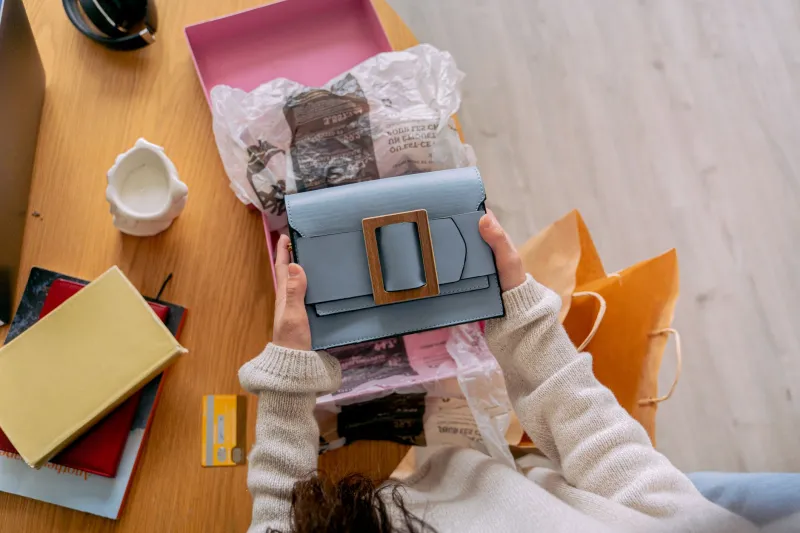
It began innocently enough. I was mindlessly scrolling through TikTok at 11 PM (as one does), when a perfectly curated girl in perfectly curated lighting held up a linen set that promised to "change my entire vibe." Forty-seven seconds later, I owned it. I didn't remember making the purchase. I definitely didn't remember wanting a linen set. But there it was in my cart, paid for with the kind of frictionless efficiency that makes impulse buying feel like destiny.
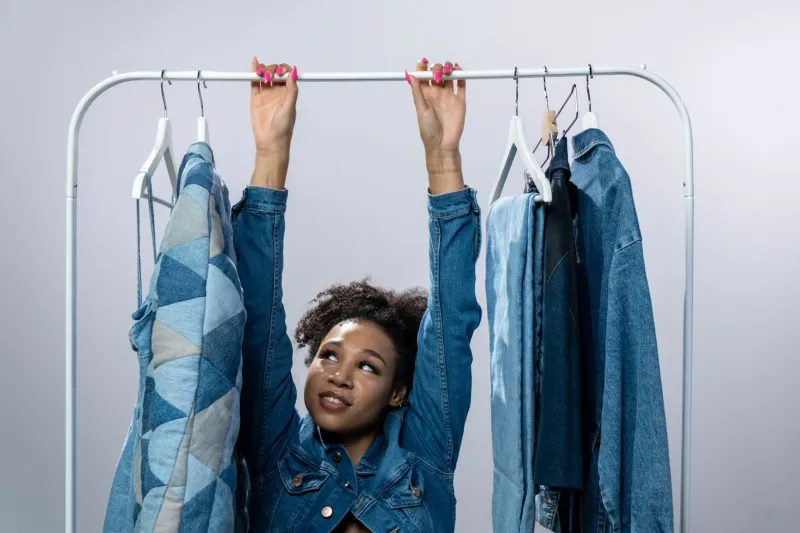
Fast-forward six months, and I'm standing in my bedroom trying to figure out who lives here. My closet looks like a Pinterest board exploded—all neutral tones, gold jewelry, and items that only make sense when photographed in natural lighting. The algorithm didn't just influence my shopping; it performed a complete personality transplant.
The Invasion of the Micro-Trends
Let's conduct a forensic audit of my recent purchases, shall we? In the last three months, I've acquired:
- Four different "viral" phone cases that were supposedly going to sell out
- A claw clip that cost $30 because it was "handmade" and "sustainable"
- Three variations of the same oversized blazer in different shades of beige
- A tote bag with text that says "I'm very busy and important"
- Skincare products I can't pronounce that promise to give me "glass skin"
- A silk pillowcase that was definitely going to change my life
None of these items were on any list I consciously made. They appeared in my life through a carefully orchestrated campaign of targeted advertising, influencer partnerships, and algorithmic manipulation that makes traditional marketing look like cave paintings.
The Science of Digital Desire Manufacturing
Here's how it works: The algorithm studies your digital behavior with the intensity of a doctoral thesis. It knows you pause for three extra seconds on videos featuring gold jewelry. It notices you save posts about "effortless morning routines." It tracks which color palettes make you linger.
Then it feeds this information back to you in the form of products you didn't know you wanted but suddenly can't live without. It's not advertising; it's behavioral prediction with a shopping cart attached.
Dr. Maria Santos, a digital marketing researcher at Stanford, explains: "These platforms have created a closed loop where consumption feels like self-discovery. Users think they're finding their aesthetic, but they're actually being sold a pre-packaged identity."
 Photo: Dr. Maria Santos, via a0.leadongcdn.com
The Aesthetic Arms Race
Social media has turned personal style into a competitive sport where everyone's trying to achieve the same "effortless" look using the exact same products. The algorithm promotes this homogeneity by showing us variations of what we've already engaged with, creating style echo chambers.
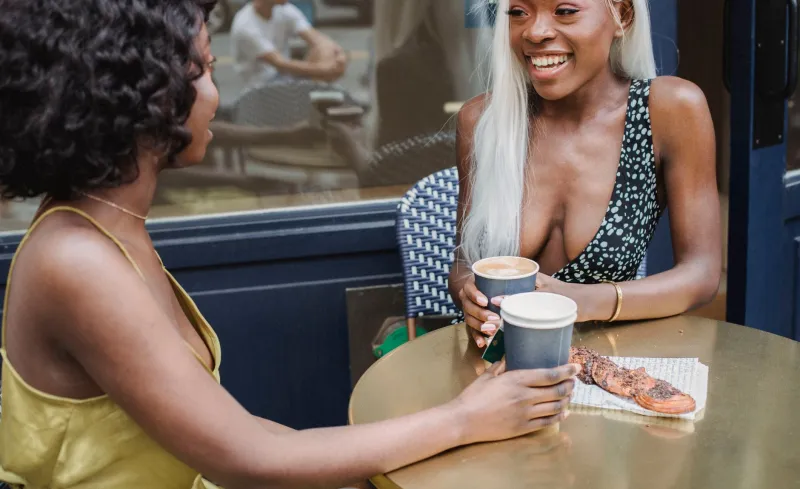
The result? Walk into any coffee shop in America and count how many people are wearing the same "unique" vintage-inspired band t-shirt, carrying the same "one-of-a-kind" tote bag, and sipping from the same "sustainable" water bottle that went viral last month.
The Rise of Phantom Needs
The algorithm has become exceptionally good at creating needs that don't actually exist. It convinced me I needed:
A "Everything Shower" routine that requires seventeen different products and takes forty-five minutes. Apparently, regular showers are no longer sufficient.
A capsule wardrobe consisting of thirty-three carefully curated pieces that somehow cost more than my previous hundred-piece chaos closet.
A morning routine that involves supplements, special water, specific lighting, and a journal with prompts designed by someone with a psychology degree and excellent marketing team.
An aesthetic that requires constant maintenance and documentation. Being a person is no longer enough; you must be a brand.
The Paradox of Infinite Choice
The cruelest irony? The algorithm promises endless personalization while delivering mass conformity. We're all being individually targeted to want the same things. Your "For You" page isn't actually for you—it's for the version of you that's most likely to make purchases.
This creates a strange phenomenon where everyone thinks they have unique taste while buying from the same rotation of algorithmic darlings. We're all main characters in the same story, wearing the same costume.
The Unraveling: When the Spell Breaks
The wake-up call came when I realized I was dressing for my phone instead of my life. I owned clothes that looked amazing in photos but felt like costumes in reality. My "aesthetic" required specific lighting conditions and careful positioning to maintain the illusion.
I started asking myself uncomfortable questions: Would I have chosen this without seeing it on my phone? Do I actually like this, or do I like the idea of being the kind of person who would like this? When did my personal style become so... algorithmic?
Digital Detox: Reclaiming Personal Style
Breaking free from algorithmic styling requires conscious effort. I started by:
Unfollowing accounts that made me want things instead of inspiring genuine creativity Shopping my own closet before opening any apps Asking friends for honest opinions about whether new purchases actually suited me Implementing a 48-hour rule for any non-essential purchase Remembering what I liked before my phone started having opinions about it
The Future of Human Style
The algorithm isn't inherently evil—it's just really, really good at its job. The problem isn't that it influences our choices; it's that we've forgotten we have choices beyond what it shows us.
Personal style used to be about self-expression, experimentation, and sometimes making mistakes. Now it's about optimization, virality, and looking like the best possible version of everyone else.
Maybe the most radical thing we can do is dress for ourselves again—without consulting our phones, without checking if it's "on trend," without worrying whether it would perform well in the algorithmic marketplace of social approval.
After all, the most interesting people have always been the ones who couldn't be easily categorized or replicated. The algorithm can dress you, but it can't make you interesting. That part is still up to you.